
Roof Replacement & Roofing
in Dana Point.
A roofing estimate should explain what happens beneath the finished surface as well as the material you see. Start with the existing roof, the areas of concern, and any work already planned for solar or insulation.
Get my virtual estimate ↗Team All Star Construction · CA license #1009760
Serving your area from our Southern California operation.
Virtual Estimates Available
Start by phone or video. Share your photos and project priorities; we then arrange the measurements and site review needed for your estimate.
What to share for your
Dana Point project
- Share ground-level photos of each roof side and any visible ceiling staining; do not climb onto the roof for an estimate.
- Tell us the approximate roof age, material, number of stories, and any known leak history.
- Mention existing solar panels, skylights, patio connections, or planned attic insulation.
Decisions to discuss
- Compare the proposed tear-off, underlayment, flashing, ventilation, and finish material.
- Ask how concealed decking damage will be assessed and priced if discovered.
- Coordinate roofing with solar removal and reinstallation before setting a schedule.
Can you price a roof from photos?
Send your address and photos to start a virtual estimate. We review the roof measurements, access, existing layers, and repair needs before finalizing the installation plan.
Planning a project in Dana Point
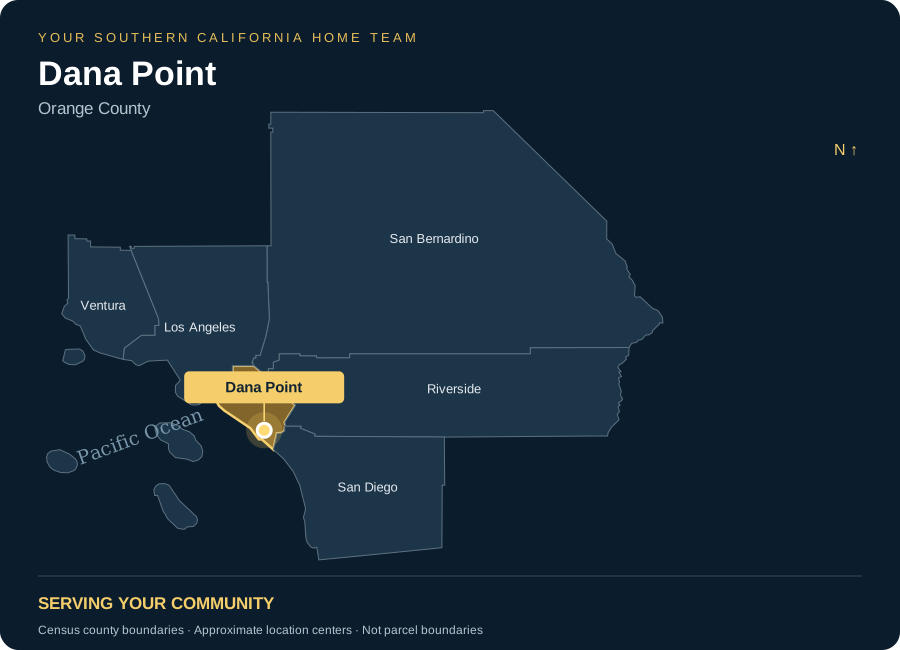
Dana Point is an incorporated city in Orange County. Confirm the city's building or planning provider for your property; some cities contract with other agencies.
OC Development Services provides resources for unincorporated Orange County. Its online services include permit and property research; incorporated-city projects may follow a separate process.
OC Development Services — Building and Safety ↗Location reference: US Census TIGERweb, current places layer. About this directory.
Coordinate related work in Dana Point
All home improvement services in Dana Point · Roof Replacement & Roofing throughout Orange County · Roof Replacement & Roofing overview
Nearby communities
Roof replacement planning in Dana Point
CITY WE SERVE
If your roof in Dana Point keeps leaking, keeps getting patched, or just keeps getting older, the main question is usually simple: can it still be repaired, or is the whole system worn out? The short answer is this: once the waterproofing layers, flashing, decking, or ventilation start failing in multiple areas, it stops being a small repair problem and becomes a roof system problem.
That matters more near the coast. In Dana Point, marine air, salt exposure, steady sun, and seasonal rain wear roof systems differently than they do farther inland. All Star Roof Replacement looks at the full roof system, not just the surface material, because what causes the leak is often hidden under the tile, under the shingles, or around the metal details.
Many homeowners can still see decent-looking tile or a roof that does not appear destroyed from the street. That does not mean the system underneath is still doing its job. In homes across Dana Point, we often see tile roofs where the tile is still usable but the underlayment below has become brittle, torn, or worn out after 20 to 30 years. Recent winter rains exposed a lot of those weak points.
If you are trying to figure out whether your home needs replacement now or whether there is still repair life left in it, it helps to start with a clear local overview of the Dana Point roof replacement service area and what roof conditions are common in this part of South Orange County.
When an Aging Roof in Dana Point Stops Being a Repair Problem and Becomes a System Problem
A roof stops being a repair problem when the failures are not isolated anymore. If leaks keep showing up in new spots, if the roof has a patch history, or if the waterproofing layers are aged out, repairs usually stop being the smart long-term answer.
A lot of homeowners assume the visible roof covering is the roof. It is not. The roof is the full system: surface material, underlayment, flashings, decking, ventilation, edges, valleys, penetrations, and how all of it works together. When one part fails, other parts usually are not far behind on an older roof.
A common issue we find in Dana Point is a roof with one visible leak inside, but several hidden failure points outside. The leak may show up over one room, but the real causes are often brittle underlayment, rusting flashings, failed valley details, or wood deterioration at the eaves. That is why a simple patch does not always hold.
Older coastal roofs often break down at valleys, roof penetrations, eaves, and wall transitions first. Those are the places where water control depends on installation quality and sound waterproofing layers, not just the material you see from the ground. If you are weighing repair or roof replacement in Dana Point, the deciding factor is usually system condition, not one damaged spot.
Why Roofs Fail in Dana Point
Roofs in Dana Point fail faster because the coast is hard on the full system. Salt air speeds up metal corrosion. Sun and UV dry out materials over time. Moisture from the marine layer and seasonal rain keep exposing weak waterproofing details. Then Santa Ana wind events test every loose edge, ridge, and flashing transition.
The direct answer is that most roof failures here are a combination of age, coastal exposure, and older installation details. Even when the surface still looks acceptable, the layers underneath may already be at the end of their service life.
Salt Air, Sun Exposure, and Coastal Moisture Wear Out the Full Roof System
Near the ocean, metal components matter more than many homeowners realize. Flashings, vents, fasteners, and edge metals can corrode faster in salt air, especially if older galvanized components were used. Once those details start rusting or separating, water gets access where it should not.
South- and west-facing roof slopes also take more direct sun. Those sections usually age faster because they see more UV exposure and more heat cycling throughout the year. Even with ocean air nearby, Dana Point roofs still take a lot of sun, and the combination of heat and moisture is rough on underlayment.
Marine layer moisture does not cause every leak by itself, but it does keep testing weak areas. Add winter rain to an aging roof, and small waterproofing problems become visible quickly. In homes across Dana Point, we often see roofs that seemed fine during dry weather but showed their real condition once heavy rain hit.
Older Installations Often Fail at the Underlayment, Flashing, and Ventilation Level
On older tile roofs, the tile is often not the main problem. The underlayment below it is. Tile can last a long time, but if the original felt underlayment is 20 to 30 years old, it may already be cracked, brittle, slipped, or torn. That is one reason many coastal tile roofs need replacement work even when the tile still looks serviceable.
Ventilation is another common weak point. Poor attic airflow traps heat, and trapped heat shortens the life of shingles, underlayment, and other roofing components. It can also contribute to uneven indoor temperatures and higher cooling costs. That is why roof life in Dana Point depends on more than surface material alone, which is a big part of understanding roof lifespan in Dana Point.
A common issue we find is heavy patching with mastic or sealants on older roofs. Those repairs may slow water down for a while, but they usually do not hold up well under coastal UV, salt exposure, and normal roof movement. If a roof needs patch after patch, the system is usually telling you it is worn out.
Signs the Roof System Is Failing
The clearest sign of roof system failure is repeated leaking. If the roof has already been repaired and still leaks, or leaks in a different area after each rain, that usually means the problem is broader than one isolated opening.
Other warning signs show up before major interior damage. Granule loss on shingles, lifted or creased tabs, rusted flashings, deteriorated underlayment, soft decking, fascia rot, and hot attic conditions all point to deeper issues. These are not cosmetic details. They are signs the system may be aging out.
In homes across Dana Point, we often see homeowners focus on one broken tile or one stained ceiling area. That visible symptom matters, but it is not always the actual scope of the problem. The roof may already have multiple weak points working at the same time.
Leak Patterns, Heat Buildup, and Visible Wear That Usually Mean More Than a Small Fix
If you have leaks in more than one area, the answer is usually straightforward: that points to aging waterproofing, not one simple entry point. A single leak on a newer roof can still be repairable. Multiple leak locations on an older roof usually mean the underlayment, flashing details, or edge conditions are breaking down across the system.
Excess attic heat is another sign people miss. If parts of the house stay warmer than others, if cooling bills feel high, or if the attic runs hot, the roof assembly may not be venting properly anymore. Heat and ventilation problems do not just affect comfort. They also shorten roof life.
After Santa Ana wind events, weak roofs often show damage first at edges, ridges, valleys, and older shingle seal tabs. Wind does not have to tear half the roof off to create a problem. Sometimes it just lifts aging materials enough to expose worn areas underneath. If you are trying to compare your roof condition to common signs you need a new roof, repeated leaks and broad wear patterns usually matter more than one obvious damaged piece.
Roof Repair vs Roof Replacement in Dana Point
Roof repair still makes sense when the roof is newer and the damage is limited to one area. Roof replacement makes more sense when the roof is older, has recurring leaks, or shows breakdown in multiple parts of the system.
That is the direct answer most homeowners need. The problem is not deciding based on age alone. Every roof is different. What matters is whether the failure is isolated or whether the roof has reached the point where repairs are just extending a worn-out system.
Coastal overlays are usually a bad idea on aging roofs. They can cover up failed underlayment, hidden wood damage, and flashing problems without actually correcting them. On Dana Point homes, where salt exposure and moisture already stress the system, that shortcut usually creates more problems later.
When a Repair Still Makes Sense
A repair can still be the right call if the roof is relatively new and the issue is truly isolated. One failed flashing detail, one small localized damage area, or one limited section affected by wind may not justify full replacement if the rest of the system is still sound.
Some tile roofs can also handle isolated tile replacement if the underlayment beneath those sections is still in good shape. The key is verifying that the waterproofing layer has not already aged out. Replacing a few tiles does not help much if the real leak path is under the field tile.
There are also cases where a temporary dry-in is appropriate. If a homeowner needs to stop active leaking while planning a scheduled replacement, short-term weather protection can make sense. But that is not the same as restoring full roof life.
When Replacement Is the Smarter Long-Term Decision
Replacement is usually the better decision when the roof has recurring leaks, widespread wear, multiple prior repairs, or aged-out waterproofing. If you keep fixing one spot and another one leaks next season, the roof is no longer giving you dependable service.
Asphalt roofs near the coast often reach end-of-service life somewhere around 18 to 25 years, depending on exposure and installation quality. Tile roofs can last longer visually, but the original underlayment commonly fails in the 20 to 30 year range. That is why a tile roof can still look solid from the street and still need replacement work underneath.
A common issue we find is several patch areas spread across the roof, each done at different times. That pattern usually means the roof system has aged out and will keep failing in new locations. If you are comparing the long-term value of replacing now versus continuing to patch, this is where homeowners often start asking is reroofing worth it. On an aging Dana Point roof with multiple weak points, it usually is.
Roof Replacement Cost in Dana Point
Roof replacement cost in Dana Point depends on the full scope, not a flat rate. Roof size, material type, slope, access, wood condition, low-slope sections, ventilation work, flashing replacement, solar coordination, and HOA requirements all affect the price.
The direct answer is that Dana Point projects often run at or slightly above other South Orange County pricing because tile roofs are common, coastal-grade details matter, and access can be more complicated. There is no accurate fixed price without evaluating the roof system first.
Typical Cost Ranges by Roof Type
On many homes, architectural shingle roof replacement commonly falls in the range of about $15,000 to $35,000 or more. Tile lift-and-relay projects commonly fall around $25,000 to $55,000 or more. New concrete tile, clay tile, metal, and low-slope roof sections can land outside those ranges depending on size and complexity.
Those ranges are only starting points. A simple walkable roof with clean access is not priced the same as a steep or cut-up roof with multiple elevations, skylights, mixed roof sections, or extensive wood replacement. If you want a more detailed breakdown of local pricing, it helps to review how roof replacement cost in Dana Point changes by roof type and scope.
Cost Per Square and What Changes the Price
Shingle roofs often run roughly $750 to $1,250 per square, with more complex roofs going higher. Tile lift-and-relay projects often run roughly $900 to $1,600 per square, and new tile systems can exceed that. Those numbers can be useful for ballpark planning, but they are not quote numbers.
What changes the price most is what gets uncovered after tear-off and what the roof actually needs. Wood repair, skylights, solar detach and reset, permit requirements, ventilation corrections, and difficult access all change the final scope. That is why homeowners should treat online estimates carefully and understand how roof cost per square is only one part of the real project cost.
Why Online Prices and Cheap Bids Usually Miss Important Coastal Scope
Low bids often leave out the parts that matter most. That can include full flashing replacement, ventilation upgrades, realistic wood repair allowances, and better corrosion-resistant metal details for homes near the ocean. On paper, the price looks good. In practice, the scope is incomplete.
Another issue is that many quotes focus on material names and ignore the system. A homeowner may think they are comparing the same roof, but one estimate may include proper underlayment replacement, edge details, and low-slope tie-ins while another does not. Installation quality is what makes the new system perform.
Permit timing, city inspections, and HOA review can also affect cost and scheduling. Those are normal parts of reroofing in Dana Point, and they should be accounted for up front instead of being treated like surprises later.
Tile vs Shingle Roof Replacement in Dana Point
Tile is common in Dana Point, especially in HOA communities and coastal neighborhoods, but tile itself is not the full roof system. The underlayment and flashing below it are what usually fail first. Shingles usually cost less up front, but they often have a shorter service life near the coast.
The right choice depends on the home, the roof design, HOA rules, budget, and long-term goals. There is no one material that is best for every house.
When Tile Makes Sense for Dana Point Homes
Tile makes sense when the home design or HOA requires it, or when the owner wants a roof style that matches the neighborhood and can carry a longer visual life. Concrete and clay tile fit a lot of Dana Point architecture, and the tile bodies themselves can last for decades.
What matters most on tile replacement is not just the tile profile. It is the waterproofing system below it. If the underlayment, flashings, penetrations, valleys, and ventilation are not done correctly, the fact that the roof has tile on top will not prevent leaks. Coastal-grade metal details are especially important this close to the ocean.
When Shingles Make Sense for Dana Point Homes
Shingles make sense when HOA rules allow them and when cost control is a priority. They are often a practical option on non-HOA homes or older neighborhoods where a tile appearance is not required. They are also easier to detail around penetrations and often simpler to maintain.
That said, shingle performance near the coast depends heavily on installation quality, wind detailing, and proper ventilation. Enhanced wind sealing, good edge work, and sound waterproofing details matter because Dana Point roofs still see sun, salt air, and occasional strong wind conditions.
For many homeowners, the best approach is to compare the house, the budget, and the expected service life side by side using a local tile vs shingle roof comparison instead of assuming one material is always better.
Choosing the Right Roofing Material for Heat, Salt Air, and HOA Rules
Material selection in Dana Point should be based on more than appearance. Some neighborhoods require specific profiles, colors, or materials before approval. Some homes also have low-slope sections that need a different roofing system than the main steep-slope areas.
Heat management matters too. Even in a coastal city, attic heat can build up on sun-exposed slopes. Cool-rated shingles, reflective low-slope membranes, and proper ventilation planning can help reduce that heat load. The best material is the one that fits the house, the local exposure, and the full roof design. Homeowners comparing options should look at best roofing materials for Dana Point homes in terms of system performance, not just appearance.
How Roof Replacement Affects Heat, Comfort, and Energy Use
A new roof can help with heat and comfort, but only if the full system is addressed. In Dana Point, homeowners sometimes assume the ocean air keeps roof temperatures down. It does not. South- and west-facing roof slopes still take heavy sun, and older homes often have ventilation setups that do not move enough air through the attic.
If the roof system is trapping heat, you can feel it inside as uneven temperatures, warmer upstairs rooms, and higher cooling use. That is why roof replacement is not just about changing the outer material. It is also the time to correct intake and exhaust ventilation, review insulation-related heat symptoms, and choose materials that make sense for the house.
If you are comparing cool roof options, the right choice depends on roof design, slope, HOA rules, and how the attic is currently performing.
Why Dana Point Homes Still Deal With Heat Gain Despite Ocean Air
Ocean air does not cancel out direct sun. Roof sections facing south and west usually run hotter and wear faster. On many Dana Point homes, especially older ones, the attic holds heat because the ventilation was undersized, blocked, or never designed well to begin with.
That trapped heat does two things. First, it makes the living space less comfortable. Second, it puts extra stress on the roofing system above it. Underlayment, shingles, and even some flashing details age faster when the roof assembly runs hotter than it should.
If a homeowner is asking why bedrooms stay warm late into the evening or why the AC seems to run harder than expected, the roof system is part of that conversation.
Cool Roof Options, Ventilation, and Ways to Reduce Attic Heat
The short answer is yes, roof replacement can improve heat performance when the scope includes the right materials and ventilation plan. Reflective products help, but they are only part of the solution.
On shingle homes, CRRC-rated products can reduce heat gain compared to older darker roofs. On low-slope sections, reflective membranes often make an even bigger difference. On tile homes, the material itself is only part of the story. Vent placement, air movement, and underlayment selection still matter.
Balanced ventilation is also important. In practical terms, that means making sure intake and exhaust are working together based on the roof layout and code requirements, not just adding random vents. If the ventilation is wrong, even a new roof can still run hot.
Homeowners looking at energy-efficient roofing should understand that energy performance comes from the full roof assembly. If your goal is better comfort, lower attic heat, and fewer hot spots inside the house, here are some ways to reduce heat with roofing that should be reviewed during replacement planning.
How Long a Roof Lasts in Dana Point
Roofs in Dana Point usually do not last as long as the same systems installed farther inland. Salt air, year-round UV, moisture from the marine layer, and heat cycling all work against the roof system over time.
The main point is simple: surface material life and system life are not always the same thing. A tile roof can still look decent from the street while the underlayment underneath is already failing. A shingle roof can still have some shingles in place while the flashing and waterproofing details are already at the end of their service life.
If you want a more detailed breakdown, this page on expected roof lifespan gives a better local frame of reference.
Expected Lifespan by Roofing System
Architectural shingle roofs near the coast often land in the 18 to 25 year range, sometimes less on harsher exposures or weaker installations. That does not mean every shingle roof fails on the same schedule. It means coastal conditions usually shorten service life compared to inland areas.
Tile roofs are different. The tile itself can last for decades, but the underlayment beneath it commonly becomes the failure point around 20 to 30 years on older systems. With upgraded underlayment and proper installation, service life can improve, but every roof is different and layout matters.
Low-slope membranes often fall in the 15 to 25 year range depending on drainage, ponding, transitions, and how well details were installed. On mixed roofs, low-slope sections are often the first place trouble shows up.
In Dana Point, installation quality has a major effect on lifespan. Poor ventilation, weak flashing details, and corrosion at metal components can shorten the life of any roofing system no matter what material is used.
What the Roof Replacement Process Looks Like
Roof replacement should follow a clear sequence. Inspect the system, document conditions, build the scope, handle permit and HOA requirements if needed, tear off the old system, inspect the deck, install the new system correctly, then close out with inspection and cleanup.
That process matters because most serious roof problems are hidden until the old roof is opened up. If a contractor skips steps or treats it like a material swap, important problems can be missed.
From Inspection to Proposal
The first step should be evaluation, not guessing. A proper replacement review should include satellite measurement, visual roof inspection, and when needed, attic review to look for heat buildup, moisture signs, and ventilation issues. The goal is to understand the whole system, not just count damaged spots.
Homeowners should expect photos, explanation, and a clear scope. That means underlayment type, flashing replacement, ventilation corrections, and realistic wood repair allowances should all be discussed before work starts. If the house has solar, skylights, or mixed roof sections, those should be addressed up front.
If you are trying to understand what is included in a real evaluation, review the page covering roof inspection cost and scope.
Permit, HOA Approval, and Scheduling
In Dana Point, roof replacement usually requires a permit. If the home is in an HOA, approval may also be required before the job can move forward. In many communities, HOA review takes longer than the permit itself.
That timing matters. Homeowners often focus on installation days, but the pre-job process can add time depending on paperwork, color or profile approvals, access restrictions, and inspection scheduling. Some neighborhoods also have parking, delivery, or staging limitations that affect logistics.
The practical answer is to start planning before the roof becomes an emergency. That gives more room to handle approvals without rushing the scope.
Tear-Off, Deck Inspection, Underlayment, and Installation
Full tear-off is important because it exposes the actual condition of the roof deck and the old waterproofing system. This is where hidden rot, brittle underlayment, failed flashings, and bad tie-ins usually show up.
In coastal areas like Dana Point, this is also where better decisions need to be made. Corrosion-resistant flashings and fasteners matter. Underlayment selection matters. Ventilation details matter. Valleys, skylights, penetrations, roof-to-wall transitions, and low-slope connections need to be installed carefully because those are common leak points.
On tile projects, lift-and-relay work has to be handled correctly so the reusable tile goes back over a sound waterproofing layer. On shingle projects, edge metal, starter details, valley construction, and flashing integration all have to be done right. Installation quality is what gives the system a chance to last.
Cleanup, Final Inspection, and Warranty Handoff
At the end of the job, cleanup is expected, but final inspection and permit closeout matter just as much. Those records help with resale, documentation, and future warranty support.
Photo records during the project are also useful. They show what was found after tear-off, what wood was replaced, and how the new system was built before everything was covered. That is better than just hearing that everything was done correctly.
If you want a more detailed step-by-step explanation, see the full roof replacement process and the typical roof replacement timeline.
How to Choose a Roofing Contractor in Dana Point
The short answer is to look for a contractor who explains the roof as a system, documents what they find, and puts the scope in writing. Dana Point roofs deal with coastal exposure, corrosion, UV, and wind. That means local experience matters.
A roof replacement contractor should understand underlayment failure, flashing corrosion, ventilation corrections, tile relay work when needed, and how low-slope areas tie into the main roof. If those topics are missing from the conversation, the evaluation is probably too shallow.
If you are reviewing options for a roof replacement installer in Dana Point, look at how clearly the contractor explains the problem, not just how fast they give a price.
What to Look For Before You Sign
Verify the current CSLB record for license #1009760 and confirm the appropriately licensed contractor responsible for your roofing scope in the written agreement. Beyond that, the written scope matters most. It should explain what is being removed, what is being replaced, how ventilation is being handled, what flashings are included, and how wood repair is addressed if hidden damage is found.
Near the coast, ask direct questions about metal components. Flashings and fasteners should be appropriate for salt-air exposure where needed. If that part of the job is vague, the quote may be leaving out important coastal scope.
Also ask why replacement is being recommended. A good contractor should be able to show you, not just tell you the roof is old.
Why Documentation and Inspection Matter More Than a Sales Pitch
Roof replacement decisions should be based on evidence. Photo-backed inspection findings give homeowners something real to review. That is better than broad claims, vague urgency, or promises that everything will be fine once new materials are installed.
Documentation creates accountability. It helps show leak paths, underlayment failure, wood damage, and problem transitions. Mid-job photos and permit records also matter later if warranty questions come up.
If you are comparing contractors, this is what to look for in the best roofing company, especially if you want real answers instead of a pitch. If you are still sorting through local options, reviewing a roofing contractor near you in Dana Point should start with scope and inspection quality.
Common Roof Replacement Mistakes Dana Point Homeowners Should Avoid
Most expensive roof mistakes happen before installation starts. They come from choosing the wrong scope, not understanding what failed, or trying to save money by skipping system-level work.
In Dana Point, the common pattern is this: the visible roof surface gets all the attention while the actual failure points underneath are missed. That leads to repeat leaks, short roof life, and frustration after the job is already done.
Comparing Price Without Comparing Scope
The lowest bid is often missing something. It may leave out ventilation corrections, flashing replacement, realistic wood repair allowances, or better metal details for coastal exposure. On paper, two proposals can look similar because they both say “new roof.” In reality, the scope can be completely different.
Homeowners should compare full-system details, not just material names. Underlayment type, flashing scope, edge details, ventilation plan, tear-off approach, and permit handling all affect how the roof performs.
Ignoring Ventilation, Flashing, and HOA Requirements
Ventilation problems do not fix themselves when new roofing goes on. If attic airflow is poor, the new system can still overheat and age early. Flashing problems are the same. If old or corroded metal details are not addressed, leaks often return at the transitions first.
HOA requirements also need to be handled early. In Dana Point, many communities care about color, profile, and material type. Missing that step can delay the project or force changes after planning is already underway.
Waiting Too Long After Repeat Leaks
If the roof has already been patched multiple times and is still leaking, the problem is usually no longer isolated. At that point, more patching often just moves the leak to another area. Heavy winter rains across coastal South Orange County exposed a lot of roofs in exactly that condition.
Waiting too long can increase the real cost because water does not stop at the underlayment. It gets into decking, fascia, insulation, and interior finishes. If your roof is already leaking, this guide on what to do if your roof is leaking can help you think through next steps.
Roof Financing and Warranty Questions Homeowners Usually Ask
Homeowners usually ask two practical questions once they know replacement is needed: how do people usually pay for it, and what does the warranty really cover. Both are fair questions, but neither changes the need for proper scope and good installation.
How Homeowners Usually Pay for a Roof Replacement
Most homeowners pay through savings, financing, HELOCs, or other home improvement loan options depending on their situation. The right choice depends on lender terms, credit, monthly payment goals, and whether the project includes related work like solar coordination or wood replacement.
The main thing to keep in mind is that financing should support the right roof scope, not reduce it to the point that important system work gets cut out. A cheaper monthly number does not help if the roof still has unresolved ventilation or flashing problems.
If you are reviewing payment options, this page on roof replacement financing options is a good place to start.
What Roof Warranties Actually Mean
Material warranties and workmanship warranties are not the same thing. Material coverage generally applies to manufacturing defects. Workmanship coverage applies to how the system was installed.
That is why installation quality matters so much. Improper ventilation, incompatible metals, poor flashing work, overlays, or later penetrations can create problems that affect warranty value. A long warranty sounds good, but the written terms and actual installation details matter more than broad promises.
If you want a plain-language breakdown, review roof warranty explained.
FAQs About Roof Replacement in Dana Point
How much does roof replacement cost in Dana Point?
Costs vary by roof size, material, slope, access, wood repairs, low-slope tie-ins, ventilation, skylights, solar work, and HOA/permit needs. Many shingle projects run about $15,000–$35,000+ and tile lift-and-relay about $25,000–$55,000+, but an on-roof evaluation is needed for accuracy.
How do I know if I need repair or full replacement?
Repairs may make sense on newer roofs with truly isolated issues. If you have repeat leaks, multiple patches, brittle underlayment, rusted flashings, or broad wear, replacement is usually the smarter long-term choice.
How long does a roof last near the coast in Dana Point?
Architectural shingles often last about 18–25 years near the coast, depending on exposure and installation. Tile can look good for decades, but older underlayment commonly fails around 20–30 years. Ventilation, flashing quality, and salt-air corrosion all affect lifespan.
Is tile better than shingle for Dana Point homes?
Not automatically. Tile fits many neighborhoods and HOA rules and offers long visual life, but the underlayment is the usual failure point. Shingles often cost less upfront and are simpler around penetrations. The better option depends on your home, HOA, budget, and full system design.
Can a leaking roof still be repaired if it is over 20 years old?
Sometimes a temporary repair is possible, but repeat leaks on an older roof usually signal system failure. On many Dana Point tile roofs, the underlayment—not the tile—is the issue. Patches may slow water briefly but do not restore roof life.
How long does a roof replacement take in Dana Point?
Timeline depends on size, material, complexity, weather, and whether the job includes tile relay, low-slope sections, skylights, or solar coordination. HOA approvals and permits can add time. Shingle projects are often faster than tile, but every roof is different.
Do Dana Point homes need cool roof or ventilation upgrades?
Many do. Cool roof products can reduce heat gain, and ventilation upgrades are common on older homes with poor attic airflow. Comfort and energy performance come from the full roof assembly, not a single product.
What should I look for in a Dana Point roofing contractor?
Verify the current CSLB record for license #1009760 and confirm the appropriately licensed contractor responsible for your roofing scope in the written agreement. The contractor should address underlayment, flashings, ventilation, wood repair allowances, and coastal-grade metals—and show photo-backed findings, not just a price.