
Roof Replacement & Roofing
in Laguna Beach.
A roofing estimate should explain what happens beneath the finished surface as well as the material you see. Start with the existing roof, the areas of concern, and any work already planned for solar or insulation.
Get my virtual estimate ↗Team All Star Construction · CA license #1009760
Serving your area from our Southern California operation.
Virtual Estimates Available
Start by phone or video. Share your photos and project priorities; we then arrange the measurements and site review needed for your estimate.
What to share for your
Laguna Beach project
- Share ground-level photos of each roof side and any visible ceiling staining; do not climb onto the roof for an estimate.
- Tell us the approximate roof age, material, number of stories, and any known leak history.
- Mention existing solar panels, skylights, patio connections, or planned attic insulation.
Decisions to discuss
- Compare the proposed tear-off, underlayment, flashing, ventilation, and finish material.
- Ask how concealed decking damage will be assessed and priced if discovered.
- Coordinate roofing with solar removal and reinstallation before setting a schedule.
Can you price a roof from photos?
Send your address and photos to start a virtual estimate. We review the roof measurements, access, existing layers, and repair needs before finalizing the installation plan.
Planning a project in Laguna Beach
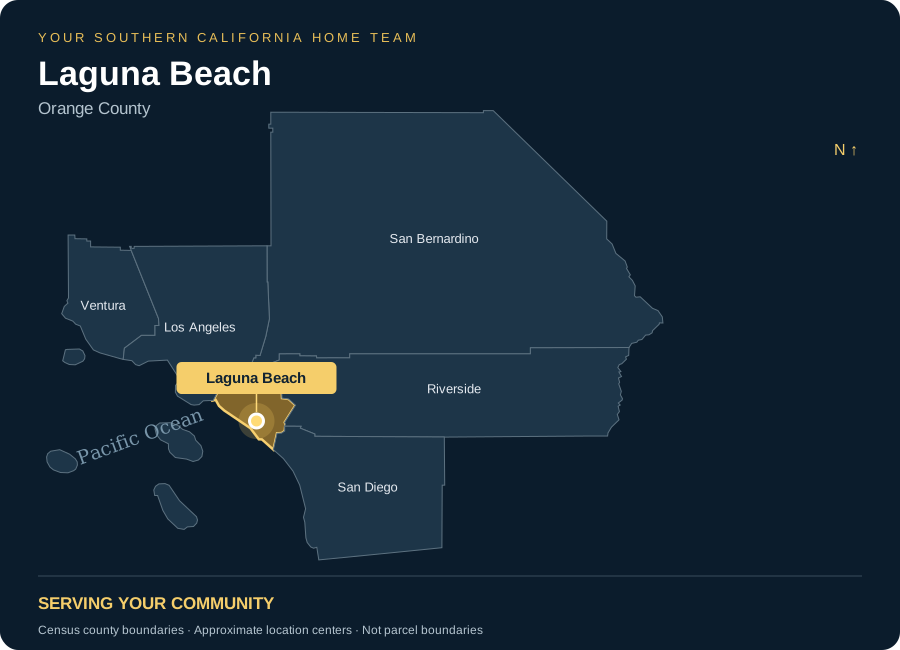
Laguna Beach is an incorporated city in Orange County. Confirm the city's building or planning provider for your property; some cities contract with other agencies.
OC Development Services provides resources for unincorporated Orange County. Its online services include permit and property research; incorporated-city projects may follow a separate process.
OC Development Services — Building and Safety ↗Location reference: US Census TIGERweb, current places layer. About this directory.
Coordinate related work in Laguna Beach
All home improvement services in Laguna Beach · Roof Replacement & Roofing throughout Orange County · Roof Replacement & Roofing overview
Nearby communities
Roof replacement planning in Laguna Beach
CITY WE SERVE
If your roof is leaking again, trapping heat, or you are not sure whether another repair will hold, the main issue is usually not the surface you can see from the ground. In Laguna Beach, a lot of roof problems come from system failure below the top layer, especially worn underlayment, corroded flashings, weak ventilation, or older installation details that have reached the end of their life.
That is where All Star Roof Replacement focuses the conversation. We look at the full roof system, not just shingles or tile, because that is what tells you whether the roof still has life left or whether replacement is the more solid decision. If you are comparing options, it helps to start with a clear look at what a roof replacement installer in Laguna Beach should actually be evaluating.
Laguna Beach roofs take a different kind of wear than inland roofs. You have year-round sun, salt air near the coast, winter storm runoff, and seasonal wind exposure from Santa Ana conditions and hillside gusts. Add in older cottages, steep lots, custom tile roofs, permits, inspections, and sometimes HOA approval, and one roof can be a completely different project from the house next door.
In homes across Laguna Beach, we often see roofs that still look decent from the street but are already failing underneath. That happens a lot on older tile systems. The tile may still be serviceable, but the waterproofing layer below is often what has worn out first, especially once the roof gets into that 20 to 30 year range.
Roof Problems in Laguna Beach Usually Start Below the Surface
Most serious roof issues in Laguna Beach start below the visible roofing material. That is the short answer. Surface wear matters, but leaks, heat buildup, and recurring problems usually trace back to failed underlayment, bad flashing details, aging fasteners, ventilation problems, or older workmanship that never handled moisture correctly in the first place.
Coastal roofs here go through long dry stretches, then get tested hard when winter storms hit. Salt exposure speeds up corrosion at vents, edge metal, fasteners, and wall transitions. On tile roofs especially, the tile is there to shed water and protect the system, but the underlayment is what actually keeps the home dry.
A common issue we find is homeowners being told the problem is just a few broken tiles or a small visible section of wear. Then the roof leaks again because the real failure is under the tile, around the flashing, or in the ventilation setup. That is why roof replacement should be treated as a system decision, not a materials decision.
If you are trying to sort out whether your roof still has repair life left, the real questions are straightforward: what is failing, how widespread is it, and is the surrounding system still sound. That is the same reason many homeowners spend time comparing a best roofing company in Laguna Beach based on how clearly they explain the cause, not just the product.
The sections below get into the practical parts of the decision: why roofs fail here, what failure signs matter, when repair still makes sense, and when replacement is the better call.
Why Roofs Fail in Laguna Beach
Roofs in Laguna Beach fail faster when climate stress and installation weaknesses work together. Sun, salt air, wind, and water exposure all matter, but most failures happen where those conditions hit a roof system that already has aging underlayment, weak metal details, poor ventilation, or old workmanship.
Salt Air, Sun, and Wind Break Down Roofing Systems Faster
Laguna Beach roofs deal with more than just heat. Near-ocean homes often see accelerated corrosion at flashing metal, pipe penetrations, exposed fasteners, and edge details because of salt in the air. Even when the field material is still in place, the metal components can already be breaking down.
UV exposure is constant here. Over time, it dries out asphalt-based components, weakens seal points, and ages underlayment faster. Then wind exposure puts pressure on the parts of the roof that are already vulnerable, especially ridges, eaves, rake edges, and roof-to-wall transitions.
Marine moisture followed by dry heat also creates repeated expansion and contraction. That movement shows up first at details and transitions. On a simple roof, that may mean a vent or valley problem. On a custom hillside home, it may show up at skylights, upper-to-lower roof changes, deck attachments, or wall intersections.
In homes across Laguna Beach, we often see clear differences by location. Village homes may have older compact roof designs and ventilation limitations. Hillside homes usually deal with stronger wind exposure, steeper access, and more drainage pressure. Ocean-adjacent properties tend to show more corrosion and faster wear at metal components.
The climate here is coastal, but attic heat still matters. During hotter periods and wind events, poor airflow can push temperatures up and shorten the life of the roof system from underneath.
Older Tile Roofs Often Fail at the Underlayment First
On older tile roofs, the underlayment usually fails before the tile does. That is one of the most common replacement situations in Laguna Beach. A tile roof can still look solid from the ground while the waterproofing layer below is brittle, torn, or no longer dependable.
Clay and concrete tile bodies can last a long time. The problem is that the roof system under them does not last the same way. Once a tile roof gets into the 20 to 30 year range, underlayment wear becomes a real concern, especially if there have already been leaks or patch repairs.
A common issue we find is cracked or loose mortar-set ridges on older tile roofs. Homeowners may notice some cosmetic cracking and assume it is minor, but those ridge areas can let in moisture and movement long before there is an obvious interior stain.
This is why a tile roof should not be judged on appearance alone. If the tile is still reusable, that may help with replacement planning later, but it does not change the condition of the underlayment, flashings, or decking underneath. Homeowners trying to compare a roof repair or replacement in Laguna Beach usually get the clearest answer once the roof is evaluated as a full assembly.
Failed Installation and Missed Details Cause Repeat Leaks
Repeat leaks usually come from detail failure, not just worn roofing material. Skylights, valleys, penetrations, roof-to-wall transitions, chimneys, and ventilation points are where we see the most recurring problems on custom homes and older reroofs.
Reused flashings, poor fastening, bad valley work, skipped waterproofing steps, and weak ventilation planning all create problems that patches do not solve for long. If the roof was overlaid instead of fully torn off in the past, hidden deck damage and trapped moisture may still be sitting below the current surface.
The short answer is simple: if a leak keeps coming back, the original cause probably was not corrected. Sometimes the surface repair was done fine, but the surrounding system had already failed.
That is why proof matters. A replacement recommendation should come from findings you can explain and document, not guesswork. Homeowners already dealing with interior damage often start by looking into what to do about a roof leak in Laguna Beach, but the next step is figuring out whether the leak is isolated or part of a larger system failure.
Signs Your Roof May Be Failing
If your roof has multiple leaks, repeated patching, or signs of moisture inside the home, there is a good chance the problem is bigger than one damaged area. On older Laguna Beach roofs, failure signs often show up in both the visible roof surface and the attic or interior spaces below.
Visible Exterior Signs
Exterior warning signs usually show up before homeowners know how serious the roof condition really is. On shingle roofs, common signs include granule loss, curling edges, brittle areas, and tabs that have lifted in wind. On tile roofs, slipping tiles, cracked ridge mortar, exposed felt, and rusted flashing metal are more important than surface appearance alone.
Near the coast, corroded vent pipes and rusted flashing details are common warning signs. If the metal is breaking down, the waterproofing around those areas may not be far behind. Loose tiles can also point to movement or fastening issues, but the bigger concern is often the aging underlayment beneath them.
Some surface issues are cosmetic. Others mean the roof system is nearing replacement. The difference is whether the surrounding layers are still watertight and stable. If you are noticing several of these signs together, it usually makes sense to review the broader signs you need a new roof in Laguna Beach rather than focus on one symptom at a time.
- Granule loss or curling shingles
- Wind-lifted or missing shingle tabs
- Loose, slipped, or broken roof tiles
- Exposed underlayment or felt
- Cracked or deteriorated ridge mortar
- Rusted vents, flashings, or edge metal
- Sagging or uneven roof sections
Interior and Attic Warning Signs
Interior signs often tell you more about system failure than the roof surface does. Ceiling stains after rain, musty attic air, soft decking underfoot, mold, and uneven indoor temperatures can all point back to roof-related moisture or ventilation problems.
Older homes in Laguna Beach often do not have balanced intake and exhaust ventilation. That means the attic can trap heat and moisture even if the weather outside feels mild. Over time, that shortens the life of shingles and underlayment and can affect comfort inside the house.
If upstairs rooms stay hotter than the rest of the home, or if attic spaces feel excessively warm during dry heat periods, the roof system may not be moving air properly. That is not always a replacement issue by itself, but when it shows up with leaks, old age, or repeated patching, it becomes part of the bigger picture.
When there is uncertainty, a proper review of age, wear, ventilation, and visible warning signs gives you a better answer than guessing based on one stain or one broken tile. That is also why many homeowners want to understand roof inspection cost in Laguna Beach before deciding what to do next.
- Ceiling stains after storms
- Attic moisture or musty odor
- Soft spots in roof decking
- Mold or darkened sheathing
- High attic heat
- Uneven temperatures between rooms or floors
When a Repair Still Makes Sense and When Replacement Is the Better Call
Repair makes sense when the damage is isolated and the rest of the roof system is still in good condition. Replacement is usually the better call when the roof is older, leaks keep returning, or the waterproofing layers underneath are failing across multiple areas.
Situations Where a Repair May Be Reasonable
A repair may still be a practical option if the roof is relatively young and the problem is limited to one area. That might be a flashing defect, a small number of damaged shingles, or a localized issue around a vent or penetration.
One leak does not automatically mean full replacement. If the surrounding roof system is still sound and the age is reasonable, a targeted fix can make sense. The key is whether the problem is isolated or whether it is just the first visible sign of wider failure.
- Younger roof with solid surrounding materials
- Isolated storm or wind damage
- Single-point flashing failure
- Limited shingle or tile damage with no broader wear pattern
Situations Where Replacement Usually Saves Money Long Term
Replacement usually makes more financial sense when leaks are recurring, the roof is near the end of its service life, or the underlayment and flashing system are wearing out together. On older coastal roofs, repairs often become a cycle because the visible leak point is not the only weak area.
Asphalt roofs in this kind of exposure often reach the decision point somewhere around 18 to 25 years, depending on ventilation, sun load, and wind exposure. Tile roofs often need underlayment and flashing replacement at 20 to 30 years even if much of the tile can still be reused.
Overlay work is another issue. Layering over old problems can hide rotten decking, moisture damage, and failed flashing details. A full tear-off is usually the better route when you need the real condition of the deck and waterproofing exposed before new materials go on.
If the roof has had multiple repairs, active leaks in more than one area, or signs of hidden wood damage, replacement is usually the cleaner and more dependable decision. Homeowners weighing the long-term value often compare a reroofing worth it in Laguna Beach question against the cost of continuing to patch an aging system.
- Multiple leaks or repeat repairs
- Widespread shingle or tile system wear
- Failing underlayment on older tile roofs
- Corroded or deteriorated flashing in several areas
- Soft decking or suspected hidden wood damage
- Older overlay hiding unknown conditions below
What Roof Replacement Costs in Laguna Beach
Roof replacement costs in Laguna Beach vary widely because roof systems here vary widely. The short answer is that simple smaller roofs may start around the low five figures, while larger or more complex tile and custom projects can run much higher. Access, slope, staging, material type, tear-off scope, and hidden wood issues all affect the number.
Laguna Beach pricing is often higher than inland areas because many homes have narrow access, hillside conditions, tile-heavy roof designs, and more detailed flashing work. Permit coordination, inspections, and occasional HOA requirements can also affect planning and scheduling.
Typical Cost Ranges by Roof Type
Broadly, asphalt shingle replacements in Laguna Beach often fall around $12,000 to $32,000 depending on size and complexity. Tile lift-and-relay projects are commonly around $20,000 to $60,000 or more because much of the labor is in removing and reinstalling the tile so the system below can be replaced correctly.
New tile, metal, or more complex custom roof replacements can reach $45,000 to $90,000 or more. Those larger numbers usually come from a mix of size, steep sections, access difficulty, custom transitions, and additional deck or flashing work.
Roof Type | Typical Laguna Beach Range
--- | ---
Asphalt shingle replacement | $12,000–$32,000
Tile lift-and-relay with new underlayment | $20,000–$60,000+
New tile or complex custom roof | $45,000–$90,000+
Those are local range examples, not fixed pricing. Every roof is different, and two homes with similar square footage can price very differently based on layout and access. For a closer breakdown, many homeowners review roof replacement cost in Laguna Beach before comparing estimates.
Cost Per Square and What Changes the Price
Asphalt roof replacement in Laguna Beach often runs around $800 to $1,400 per square. Tile underlayment replacement commonly runs around $900 to $1,600 per square, with new tile systems costing more. Those numbers move based on the actual conditions of the roof.
Price changes usually come from complexity, not just size. Steep slope, multiple roof lines, tear-off weight, crane use, difficult staging, narrow streets, flashing count, skylights, valleys, and ventilation upgrades all affect final cost.
That is why two roofs with the same footprint may not price anywhere near the same. One may be a basic walkable shingle roof. The other may be a steep custom tile roof on a hillside lot with tight access and more detailed waterproofing work. If you want a better sense of the math behind those differences, it helps to look at local cost per square for a roof in Laguna Beach factors in context.
Hidden Cost Areas Homeowners Need to Know Up Front
The biggest pricing surprises usually come from scope items that were never explained clearly at the start. Decking repairs, fascia dry rot, skylight replacement, solar removal and reinstall, upgraded venting, and full flashing replacement should all be addressed up front as much as possible.
Near the coast, better metal components and stronger underlayment choices are durability items, not cosmetic upgrades. If those details are missing from an estimate, the number may look better on paper than it does in actual long-term performance.
Permit fees and HOA paperwork may not be the biggest cost items, but they still matter to the timeline and scope. Pricing should be transparent, with clear explanation of what is included, what is condition-based, and where allowances may apply.
For homeowners planning around budget, monthly payment options are also part of the conversation, which is why some spend time reviewing information on financing a roof replacement in Laguna Beach while they sort through material and scope decisions.
Tile vs Shingle Roof Replacement in Laguna Beach
Tile and shingle roof replacement serve different homes and different budgets in Laguna Beach. Tile is common on Spanish, Mediterranean, and custom homes. Shingles are common on cottages, remodels, and homes where lower upfront cost is a priority. The right choice depends on the house, the roof design, the exposure, and the condition of the full system below the surface.
When Tile Makes Sense
Tile makes sense when the home style, roof design, and long-term plan support it. Many Laguna Beach homes were built for tile visually and structurally, and in some cases HOA standards also influence the choice.
One advantage with many existing tile roofs is that the tile may be reusable during replacement if it is still in serviceable condition. In that case, the real work is replacing the underlayment, flashings, and ridge details below it. Mechanical ridge systems and corrosion-resistant metals are usually a stronger long-term setup than older mortar-based details.
Tile generally costs more up front, and it is heavier and more labor-intensive. But on the right home, it fits the architecture well and can provide long-term value when the waterproofing system underneath is done correctly.
When Shingles Make Sense
Shingles make sense when budget, roof design, and home style point that direction. Architectural shingles are usually the more economical steep-slope option and often provide a cleaner, faster replacement process than tile work.
They are a practical fit for many cottages and remodeled homes in Laguna Beach, especially where the structure and appearance do not call for tile. For areas with stronger wind exposure, high-wind-rated Class A assemblies matter more than just the shingle appearance.
In this market, shingle life is usually shorter than tile life overall, often landing somewhere around 18 to 28 years depending on ventilation, sun exposure, and installation quality.
Material Choice Depends on the Full Roof System
The best material is the one that fits the whole roof system. That includes slope, layout, ventilation, coastal exposure, access, HOA restrictions, and budget. The field material matters, but so do the metal details, the waterproofing strategy, and the quality of the installation.
That is why this decision should stay practical. A good recommendation comes from the house itself, not from a product pitch. In Laguna Beach, every roof has its own design constraints, exposure level, and replacement needs. If you are sorting through options, it helps to compare tile vs shingle roof replacement in Laguna Beach with the actual roof system in mind rather than just material cost alone.
How Roof Replacement Affects Heat and Energy Use in Laguna Beach
A new roof can help with heat and comfort, but the real difference usually comes from the full system. In Laguna Beach, that means ventilation, underlayment, roof color, and how the roof handles sun exposure during late summer and Santa Ana conditions. Even near the coast, attic heat still builds up, especially on older homes with poor airflow.
If the upstairs stays hot, rooms feel uneven, or your cooling costs keep climbing, the roof may be part of the problem. That does not automatically mean you need a certain product. It means the roof system needs to be evaluated correctly. If you want to look deeper at energy-efficient roofing in Laguna Beach, the main thing to understand is that performance starts with system design, not just the top layer.
Ventilation Matters More Than Most Homeowners Realize
Poor ventilation shortens roof life. It also traps heat and moisture where you do not see it. A lot of older cottages, remodels, and custom homes in Laguna Beach were built with limited intake, too much exhaust, or no balanced airflow at all.
When intake and exhaust are not working together, attic temperatures rise, underlayment ages faster, shingles wear out sooner, and moisture can hang around longer than it should. On tile roofs, trapped heat still affects the materials below the tile. On shingle roofs, it can accelerate aging across the whole assembly.
Ventilation also affects indoor comfort. If one side of the house runs hotter than the other, or upstairs rooms stay warm long after sunset, that can point back to roof airflow. Homeowners looking at how to reduce heat with roofing in Laguna Beach usually find that ventilation upgrades matter as much as material choice.
In hillside and canyon-adjacent areas, vent type matters too. Ember-resistant vent options may be worth discussing depending on the home’s exposure.
Cool Roofing Options for Coastal Southern California Homes
Cool-roof options can reduce surface temperature and help control heat gain. They are common on low-slope sections, and they can also matter on steep-slope roofs depending on the material and color selected.
On some Laguna Beach homes, especially those with flat or low-slope sections, Title 24 requirements may call for cool-roof compliant products. On steep-slope roofs, lighter and reflective options can still help with sun load. The energy savings near the coast are not always dramatic, but during hotter inland wind events and sunny stretches, they can make a noticeable difference.
The right approach depends on the roof design, slope, ventilation, and exposure. If you are comparing cool roof options in Laguna Beach, the goal is not to chase a label. The goal is to build a roof system that handles local heat, meets code where needed, and performs over time.
How Long Roofs Last in Laguna Beach
Roof life in Laguna Beach depends on exposure, installation quality, ventilation, and the materials used in the full assembly. Age matters, but age alone does not tell the whole story. Two roofs installed in the same year can be in very different condition depending on salt exposure, sun, slope, and past workmanship.
Expected Lifespan by Roof Type
As a practical range, asphalt shingle roofs in Laguna Beach often last around 18 to 28 years. Some come up earlier if ventilation is poor or the home gets stronger wind and sun exposure. Tile roofs are different. The tile itself may last 50 years or more, but the underlayment and flashings below commonly reach replacement first, often around the 20 to 30 year range.
Low-slope systems usually fall somewhere around 15 to 25 years depending on drainage, ponding conditions, UV exposure, and detail quality. Metal roofing can last much longer, often 30 to 50 years or more, but only if the right coastal-appropriate metals and fasteners are used.
If you are trying to gauge roof lifespan in Laguna Beach, the best answer is always based on the actual roof system in place, not on a generic chart.
What Shortens Roof Life Along the Coast
Salt air is a real factor in Laguna Beach. It speeds up corrosion at flashing metal, fasteners, vent pipes, and edge details. That is more noticeable near the ocean, but it can affect roofs throughout the area depending on exposure.
Poor ventilation shortens life too. So does repeated patching on an older system. Once a roof has multiple repair areas, reused metal, and mixed-age components, it usually becomes less dependable. Debris in valleys, drainage issues on low-slope sections, and overlooked deck damage also cut service life down.
The main point is simple: a roof can look decent from the street and still be near failure underneath. That is why replacement decisions should come from condition and evidence, not appearance alone.
What the Roof Replacement Process Looks Like
Roof replacement is a step-by-step process. In Laguna Beach, it usually includes evaluation, written scope, permit coordination, tear-off, deck inspection, waterproofing, installation, cleanup, and final inspection. Access issues, narrow streets, hillside staging, HOA approval, and solar coordination can all affect the schedule before the first day of work.
From Inspection to Written Estimate
The first step is figuring out what is actually failing. That means more than looking at a few shingles or tiles. A proper evaluation should look at roof age, visible wear, flashing condition, ventilation, signs of moisture entry, access challenges, and areas where hidden problems are likely.
All Star Roof Replacement uses satellite review with onsite visual inspection so the estimate is based on roof layout, slope, staging conditions, and visible system issues before recommendations are made. The point is to show what is going on and explain why replacement may or may not be the right call.
If you want a more detailed breakdown of the roof replacement process in Laguna Beach, the key thing to look for is a written scope that clearly explains tear-off, underlayment, flashings, ventilation, and any likely variable items such as wood replacement.
Tear-Off, Deck Inspection, and Waterproofing Work
The most important part of the job starts after the old roof comes off. This is when hidden problems finally show up. Full tear-off allows the decking to be inspected, soft or damaged sections to be identified, and old flashing details to be replaced instead of covered over.
On tile roofs, this usually means lifting the tile, removing the failed underlayment, checking the deck, replacing flashings, installing the new waterproofing system, and then resetting or replacing tile depending on condition. On shingle roofs, it means removing the old system down to the deck and rebuilding from there.
This is where long-term leak prevention happens. New underlayment, proper valley work, penetration flashing, edge metal, ventilation corrections, and coastal-grade metals matter more than the product pitch. Overlays tend to hide problems. Full replacement exposes them so they can be addressed correctly.
Timeline, Cleanup, and Final Inspection
Most shingle replacement jobs are completed in a few days once work starts. Tile lift-and-relay projects usually take longer, often one to three weeks depending on size, access, weather, staging, and inspection timing. Solar removal and reinstall can add coordination time.
The total schedule includes more than the jobsite days. Permits, HOA approvals, delivery planning, and city inspections all affect timing. If you are trying to understand the roof replacement timeline in Laguna Beach, it helps to separate pre-start planning from active construction.
Daily cleanup matters, especially on narrow lots and hillside properties. That includes debris control, property protection, magnet sweeps, and keeping access as orderly as possible. Final completion usually includes required inspection signoff and permit closeout.
How to Choose a Roofing Contractor in Laguna Beach
Choose the contractor based on scope clarity, system knowledge, and local experience. In Laguna Beach, that means understanding coastal corrosion, tile underlayment replacement, ventilation, permits, HOA requirements, and staging on difficult lots. A low number on paper does not help if key parts of the roof system are left out.
What to Ask Before You Sign Anything
Ask direct questions. Will the roof be fully torn off? What underlayment is being installed? Are flashings being replaced or reused? What is the ventilation plan? Who handles permits and inspections? How is wood repair priced if damaged decking is found?
You should also ask about skylights, solar coordination, vent replacements, disposal, staging, and whether coastal-grade metals are included where needed. Warranty terms should be in writing and the scope should be specific, not broad.
- Is the contractor properly licensed and insured for California roof work?
- Does the estimate explain tear-off, underlayment, flashings, ventilation, and disposal?
- Are wood repair terms clear?
- Will permits and required inspections be handled?
- Are solar, skylights, and access conditions addressed up front?
- Is the recommendation based on findings, photos, and roof condition instead of a sales pitch?
If you are comparing bids from a roofing contractor near you in Laguna Beach, that checklist will tell you more than the price alone.
Why Installation Quality Matters More Than the Product Pitch
Most serious roof problems are not caused by the field material alone. They happen at transitions, valleys, ridges, penetrations, roof-to-wall areas, and metal details. That is why installation quality matters more than brand talk.
A properly built system uses the right underlayment, the right flashing methods, the right fasteners, and the right ventilation for that house. Coastal detailing matters in Laguna Beach because salt exposure works on metal parts long before many homeowners notice anything from the ground.
If you are trying to figure out how to find the best roofing company in Laguna Beach, look for clear explanations and proof-based recommendations. You should be shown why replacement is needed, what is failing, and what the scope will correct. For warranty details, it also helps to understand a roof warranty explained for Laguna Beach homeowners before signing anything.
Common Roof Replacement Mistakes Homeowners Make
The biggest mistakes usually come from incomplete information. Homeowners see a leak, get a quick opinion, and end up comparing numbers without comparing actual scope. That is how important parts of the roof system get missed.
Looking Only at the Top Layer
A roof is not just shingles or tile. The visible surface can look fine while the waterproofing layer below is worn out. That is especially common on older tile roofs in Laguna Beach. The tile may still be reusable while the underlayment underneath is already failing.
Surface-only decisions lead to bad decisions. The right call comes from evaluating the full system, including flashings, decking, ventilation, and age-related wear below the surface.
Accepting Vague Pricing or Incomplete Scope
If an estimate does not clearly address tear-off, disposal, flashings, vents, underlayment, wood repair terms, and permit handling, it is incomplete. On Laguna Beach homes, access conditions, staging limits, hillside loading, and HOA coordination should also be discussed early.
Low bids often leave out the details that actually stop leaks long term. That can include full flashing replacement, corrosion-resistant metals, ventilation corrections, or realistic allowances for damaged wood. Homeowners looking into roof replacement cost in Laguna Beach should compare scope first and price second.
Waiting Too Long After Repeat Leaks Start
One isolated leak does not always mean replacement. Repeat leaks are different. Once water starts showing up in multiple areas, the problem is usually broader than one patch can solve. Interior staining, soft decking, insulation damage, and hidden moisture issues tend to get worse with time.
In Laguna Beach, a roof can sit through dry weather and then get tested hard during winter rain or Santa Ana wind conditions. What seems manageable in a dry month can turn into emergency work later. If you are dealing with active leak history, it helps to review what to do if your roof is leaking in Laguna Beach and the local warning signs you need a new roof in Laguna Beach before more damage builds up.
Frequently Asked Questions About Roof Replacement in Laguna Beach
How much does roof replacement cost in Laguna Beach?
Most full replacements fall from about $12,000 on smaller, simpler roofs to $60,000+ on larger tile or custom homes. Final price depends on size, slope, access, material, tear-off scope, flashing count, ventilation upgrades, and any deck repairs found after tear-off.
How do I know if I need repair or full replacement?
Repair may make sense when a younger roof has isolated damage. If the roof is older with repeat leaks, failing underlayment, widespread wear, or multiple weak areas, full replacement is usually the more dependable and cost-effective choice.
Can tile be reused during roof replacement?
Often, yes. Many concrete and clay tiles can be lifted and reset if they are still serviceable. Reuse depends on tile condition, breakage rate, availability of matching pieces, and how the existing system was installed.
How long does a roof last near the ocean in Laguna Beach?
Asphalt roofs commonly last about 18–28 years. Tile bodies can last much longer, but the underlayment and flashings below often need replacement around 20–30 years. Low-slope systems typically run 15–25 years. Salt air may shorten life by accelerating corrosion.
Will a new roof help with heat upstairs or high energy bills?
It can, especially when replacement includes ventilation improvements and a roof assembly suited to local sun and wind. Comfort and efficiency depend on ventilation, insulation, roof color, slope, and attic design—not just the top material.
How long does roof replacement take?
Once work starts, many shingle projects finish in a few days, while tile lift-and-relay jobs often take 1–3 weeks. Timeline also depends on permits, HOA approval, weather, inspections, solar coordination, and site access.
Do I need a permit for roof replacement in Laguna Beach?
In most cases, yes. Roof replacement typically requires permits and inspections, and some homes may also need HOA approval. These items should be addressed before scheduling.
Can I finance a roof replacement?
Often, yes. Homeowners may use contractor-arranged financing, home improvement loans, or a HELOC. Terms vary by lender and credit, so confirm total project scope first, then choose the payment option that fits.
Get a Roof Replacement Estimate for Your Laguna Beach Home
If your roof is 15 to 30 years old, has repeat leaks, runs hot, or you are not sure whether repair still makes sense, the next step is a full replacement evaluation. All Star Roof Replacement looks at the entire roof system, including visible wear, likely hidden issues, flashing condition, ventilation, and replacement scope. You will get a clear explanation of what is failing and why, without guessing.
To schedule an estimate for your Laguna Beach home, call (310) 729-3013 or contact All Star Roof Replacement. If you are still comparing local service information, you can also review the Laguna Beach roof replacement service area page.