Roof Replacement & Roofing
in Corona.
A roofing estimate should explain what happens beneath the finished surface as well as the material you see. Start with the existing roof, the areas of concern, and any work already planned for solar or insulation.
Get my virtual estimate ↗Team All Star Construction · CA license #1009760
Serving your area from our Southern California operation.
Virtual Estimates Available
Start by phone or video. Share your photos and project priorities; we then arrange the measurements and site review needed for your estimate.
What to share for your
Corona project
- Share ground-level photos of each roof side and any visible ceiling staining; do not climb onto the roof for an estimate.
- Tell us the approximate roof age, material, number of stories, and any known leak history.
- Mention existing solar panels, skylights, patio connections, or planned attic insulation.
Decisions to discuss
- Compare the proposed tear-off, underlayment, flashing, ventilation, and finish material.
- Ask how concealed decking damage will be assessed and priced if discovered.
- Coordinate roofing with solar removal and reinstallation before setting a schedule.
Can you price a roof from photos?
Send your address and photos to start a virtual estimate. We review the roof measurements, access, existing layers, and repair needs before finalizing the installation plan.
Planning a project in Corona
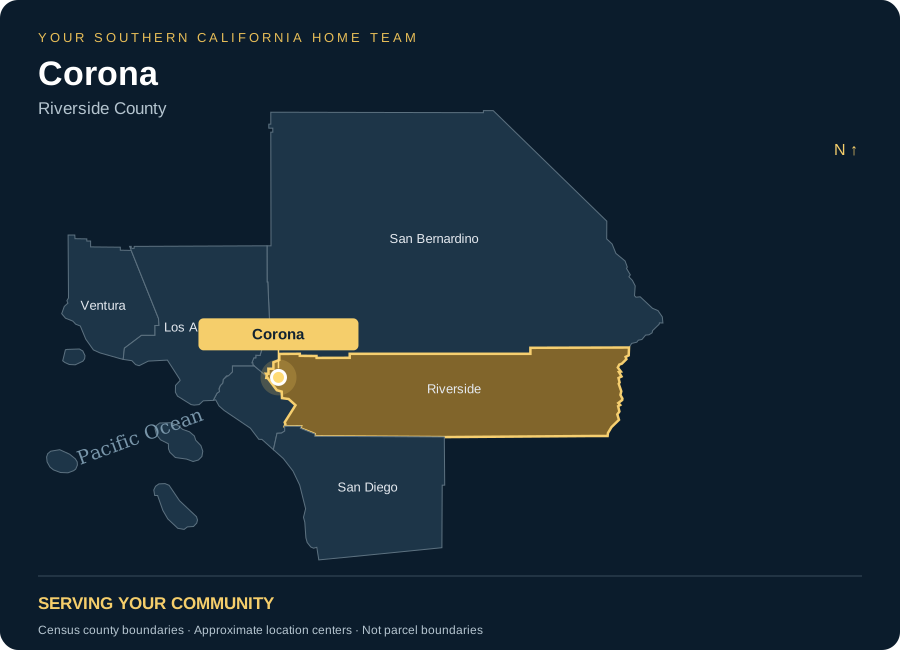
Corona is an incorporated city in Riverside County. Confirm the city's building or planning provider for your property; some cities contract with other agencies.
Riverside County provides Building and Safety information and the PLUS Online portal. Start by checking the property location and the agency responsible for the proposed work.
Riverside County Building and Safety ↗Location reference: US Census TIGERweb, current places layer. About this directory.
Coordinate related work in Corona
All home improvement services in Corona · Roof Replacement & Roofing throughout Riverside County · Roof Replacement & Roofing overview
Nearby communities
Roof replacement planning in Corona
At All Star Roof Replacement, we handle roof replacement in Corona by looking at the entire system—not just what you see on the surface. If your roof is leaking, running hot, or needing constant repairs, the issue is usually deeper than a few broken tiles or worn shingles. roof replacement in Corona starts with understanding why the system stopped working in the first place.
When an Older Roof in Corona Stops Performing Like a System
Most homeowners don’t notice the shift right away. It starts with a small leak, a hotter attic, or a repair that doesn’t hold. Then it becomes a pattern.
- Leaks show up in different spots over time
- The house feels harder to cool during Corona’s hot months
- Energy bills go up without a clear reason
- The roof looks “okay” but keeps causing problems
Here’s the straight answer: roof problems are rarely just surface damage. They come from system failure—underlayment breaking down, ventilation not working, or installation issues catching up after years of heat and sun exposure.
In homes across Corona, we often see roofs that look fine from the street but are failing underneath. That’s why the first step is a full evaluation. We check how the system is functioning, show you what’s actually going on, and explain whether replacement makes more sense than continuing to patch it. If you’re looking for a roof replacement installer in Corona, that’s where the process should start.
Why Roofs Fail in Corona’s Heat and Sun
Corona is a tough environment for roofing. The combination of inland heat, UV exposure, and seasonal wind creates long-term stress on every part of the system.
- Constant UV exposure: breaks down shingles, dries out underlayment, and weakens sealants over time
- High attic temperatures: trap heat and accelerate deterioration from underneath
- Thermal cycling: expansion during the day and contraction at night slowly damages materials
- Wind exposure: Santa Ana winds can lift shingles or shift tiles, even if the damage isn’t obvious right away
A common issue we find is underlayment failure under tile roofs. The tiles may still look intact, but the waterproof layer underneath has already broken down from years of heat.
Another thing: installation problems don’t always show up right away. In Corona, they often take 10–20 years to surface as leaks, slipping tiles, or ventilation problems.
If heat is part of the problem, it’s worth understanding cool roof options for Corona homes and how roofing can reduce heat, but those only work when the full system is built correctly.
Signs Your Roof May Be Failing Instead of Just Wearing Out
Leaks That Keep Coming Back
- Leaks that return after repairs are a system issue, not a one-time problem
- Water intrusion around valleys, flashing, vents, or under tile
Direct answer: if leaks keep showing up in different areas, the roof system is failing—not just one section.
Heat and Comfort Problems Inside the House
- Rooms that are noticeably hotter than others
- Higher cooling costs during Corona summers
- Attic heat that doesn’t ventilate out properly
In homes across Corona, we often see ventilation setups that were never balanced correctly, causing heat to build up and shorten the life of the roof.
Visible Age and Wear on the Roof Surface
- Broken, cracked, or displaced tiles
- Curling shingles or loss of granules
- Sagging areas that may point to decking issues
These are surface signs, but they usually reflect deeper problems underneath. You can review more detailed signs you need a new roof or what to do when problems start with what to do when your roof leaks.
When Repair Makes Sense and When Replacement Is the Better Call
When a Repair May Still Be Reasonable
- Damage is limited to one area and the rest of the roof system is still solid
- The roof is relatively newer and not near the end of its lifespan
Direct answer: if the system is still intact and the issue is isolated, a repair can hold.
When Replacement Usually Makes More Sense
- The roof is 15–30+ years old and showing multiple issues
- Leaks keep returning or spreading to new areas
- Previous repairs haven’t solved the problem
- Underlying components like underlayment or decking are failing
A common issue we find in Corona is homeowners continuing to repair roofs where the underlayment has already failed. At that point, repairs are temporary by definition.
Direct answer: when multiple parts of the system are failing, replacement is the only way to stop the cycle.
If you’re unsure where your situation falls, it helps to understand the difference between roof repair or replacement and whether reroofing is worth it in Corona’s climate.
Review roof replacement financing in Corona alongside the full project scope.
What Roof Replacement Cost Depends On in Corona
Short answer: Roof replacement cost in Corona depends on size, complexity, material, and the condition of the existing roof system. There is no flat price because no two roofs are built or worn the same.
Size, Layout, and Roof Complexity
- Total square footage (roof area, not just home size)
- Pitch and how steep or walkable the roof is
- Access around the property
- Valleys, chimneys, skylights, and multiple roof sections
Homes in Corona—especially in hillside areas or master-planned communities—often have more complex layouts. More cuts, transitions, and height changes mean more labor and more detail work.
Condition of the Existing Roof System
- One layer vs multiple layers that need removal
- Decking condition after tear-off
- Worn or failed underlayment
- Ventilation problems or improper flashing
This is where costs can change quickly. You don’t see these issues from the ground. Once the roof is opened up, we can see whether the system underneath is still solid or already failing.
Material and Installation Scope
- Tile vs shingle system design
- Type of underlayment used
- Ventilation upgrades to meet current standards
- Disposal and code-related requirements in California
In Corona, Title 24 requirements and heat performance matter. That affects both material selection and how the system is installed.
For a deeper breakdown, see roof replacement cost in Corona or roof cost per square.
Tile vs Shingle Roof Replacement for Corona Homes
Short answer: Neither tile nor shingles are “better” on their own. What matters is how the full system is built underneath them.
When Tile Fits the House and Roof Structure
- Common across Corona neighborhoods and HOA communities
- Heavy material that requires proper structural support
- Long lifespan, but depends on underlayment condition
Most tile roof problems in Corona are not tile problems. They come from the underlayment drying out and failing after years of heat exposure.
When Shingle Systems Make Sense
- Lighter weight and simpler installation
- Typically lower upfront cost than tile
- Performs well when installed with proper ventilation and fastening for wind
With Santa Ana wind exposure, proper installation matters more than the material itself. A poorly installed system will fail regardless of what’s on top.
How to Choose Based on the Home, Not Just the Surface Material
- Roof structure and load capacity
- Sun exposure and heat buildup
- Ventilation design
- Long-term plans for the home
More detail here: tile vs shingle roof and best roofing materials.
How Roof Replacement Affects Heat Buildup and Energy Use
Short answer: A properly built roof system can reduce attic heat and improve indoor comfort, but it depends on ventilation and system design—not just color.
Why Older Roof Systems Run Hot in Corona
- Constant sun exposure breaking down materials
- Trapped attic heat with poor ventilation
- Aged underlayment holding and radiating heat
Corona roofs regularly deal with extreme surface temperatures. Over time, that heat transfers into the attic and then into the home.
How a New Roof System Can Improve Efficiency
- Balanced intake and exhaust ventilation
- Cool roof–compliant materials where appropriate
- Reduced heat buildup at the deck and attic level
This is where system design matters. Vent placement, airflow, and material selection all work together.
What to Look at Beyond Surface Color
- Ventilation layout
- Underlayment performance in heat
- How the roof assembly handles airflow
More on this here: energy-efficient roofing and reduce heat with roofing.
How Long Roofs Typically Last in Corona
Short answer: In Corona’s heat, most roof systems wear out faster than expected—often 20–25 years for shingles and 20–30 years for tile underlayment.
What Shortens Roof Lifespan
- UV exposure and extreme heat
- Thermal expansion and contraction
- Poor ventilation
- Low-quality or rushed installation
Why Material Alone Does Not Determine Lifespan
- Underlayment is the real waterproof layer
- Flashing and penetrations are common failure points
- Deck condition affects long-term stability
A tile roof can look fine on the surface and still be failing underneath.
How to Tell if the Roof Is Near the End of Service Life
- Age combined with recurring issues
- Multiple leak areas
- Visible wear plus performance problems
See roof lifespan in Corona for more detail.
What the Roof Replacement Process Looks Like
Short answer: Roof replacement is a step-by-step process that starts with evaluation and ends with a fully rebuilt system—not just new materials on top.
Inspection and System Evaluation
- Satellite measurements and layout review
- Visual inspection of surface and structural areas
- Identification of hidden failure points
Scope of Work and Recommendations
- Clear explanation of what is failing
- Why replacement may be necessary
- No one-size-fits-all recommendations
Tear-Off, Repairs to the System, and Installation
- Complete removal of old roofing
- Inspection of decking
- Installation of underlayment, flashing, ventilation, and final material
Timeline and Job Completion
- Installation may take a few days
- Permits and HOA approvals can extend the timeline
- Weather and roof complexity also affect schedule
More detail: roof replacement process and roof replacement timeline.
How to Choose a Roof Replacement Contractor in Corona
Short answer: The right contractor focuses on the full system, not just what you can see from the ground.
What Homeowners Should Ask Before Hiring
- Do they inspect underlayment, decking, and ventilation?
- Can they explain problems clearly without guessing?
- Do they show actual evidence of failure?
What Good Roof Replacement Work Depends On
- Installation quality
- Proper flashing at all penetrations
- Balanced ventilation system
- Attention to structural details
Why the Lowest Bid Often Misses the Real Problem
- Important components left out of scope
- Shortcuts on ventilation or flashing
- No plan for underlying system issues
More guidance here: best roofing company in Corona.
Common Roof Replacement Mistakes on Older Corona Homes
Replacing Surface Materials Without Fixing System Problems
- Old underlayment left in place
- Ventilation ignored
- Decking damage not addressed
This is one of the most common reasons new roofs fail early.
Choosing Based Only on Price
- Lower upfront cost often means reduced scope
- Leads to repeat issues and additional expense later
Assuming All Roofs in the Neighborhood Need the Same Solution
- Different exposure to sun and wind
- Different installation history
- Different structural conditions
Not Understanding Warranty Coverage
- Material warranties do not cover installation mistakes
- Workmanship quality determines long-term performance
More on this here: roof warranty explained.
Frequently Asked Questions About Roof Replacement in Corona, CA
How much does a new roof cost in Corona?
Most homeowners in Corona can expect a roof replacement to fall between $12,500 and $20,000 for architectural shingles, while tile systems or premium materials can range from $24,000 to $40,000 or more. The final price depends on roof size, slope, material choice, and whether any structural repairs are needed after tear-off.
Because Corona homes often require Title 24 “Cool Roof” materials and upgraded ventilation, your estimate may include energy-efficient components that improve long-term performance and reduce cooling costs.
How long does a roof replacement take?
The actual installation is usually completed in 1 to 3 days for most homes. However, the full process—including inspection, HOA approval (if applicable), permits, and scheduling—typically takes 4 to 8 weeks in Corona.
HOA communities like Eagle Glen or Dos Lagos can extend timelines due to architectural review requirements, so planning ahead helps avoid delays.
Do I need a roof repair or full replacement?
If your roof is under 15 years old and the issue is isolated, a repair might be enough. But in Corona’s climate, roofs over 20–25 years old usually have widespread wear from heat and wind—even if damage isn’t immediately visible.
If more than 25% of the roof is compromised, or if tiles are slipping due to underlayment failure, a full replacement is typically the safer and more cost-effective long-term solution.
How long does a roof last in Corona?
Asphalt shingle roofs typically last 20 to 25 years in Corona due to intense UV exposure and thermal cycling. Premium cool-roof shingles may reach closer to 30 years with proper ventilation.
Tile roofs can last 50 years or more, but the underlayment beneath them usually needs replacement after 20 to 30 years, which is why many tile roofs require a lift-and-reset system rather than full tile replacement.
What roofing material is best for Corona homes?
Concrete tile remains popular due to its durability, fire resistance, and compatibility with local architecture. However, it is heavier and more expensive.
Modern architectural shingles—especially cool-roof rated options—are often the best balance of cost, wind resistance, and energy efficiency for many homeowners, particularly in areas exposed to Santa Ana winds.
Will a new roof improve energy efficiency?
Yes. Most roof replacements in Corona now include Title 24-compliant “Cool Roof” materials designed to reflect sunlight and release heat more effectively. This can reduce attic temperatures and lower cooling costs by 10% to 25%.
When combined with proper ventilation systems like ridge vents or O’Hagin vents for tile roofs, your home stays more stable in extreme summer heat.
Can I finance my roof replacement?
Yes, many homeowners use financing options such as PACE (HERO Program) or traditional home improvement loans. PACE financing is tied to your property taxes and based on home equity rather than credit alone.
Other financing plans may offer low monthly payments or promotional terms, making it easier to complete a full replacement without delaying necessary work.
What kind of warranty comes with a new roof?
A complete roof replacement includes two types of warranties. The manufacturer warranty covers defects in the roofing materials, often ranging from 20 years to lifetime coverage depending on the system.
The workmanship warranty is provided by your contractor and covers installation quality. This is especially important in Corona, where proper installation directly impacts performance against heat and high winds.
Talk to a Roofing Expert Who Understands Corona
Roof replacement in Corona isn’t just about new materials—it’s about building a system that can handle heat, wind, and long-term wear. If you’re unsure where your roof stands, getting clear, honest information is the best first step.
All Star Roof Replacement focuses on full roof replacements designed for Southern California conditions. We’ll walk you through your options, explain what your home actually needs, and help you make a confident decision—without pressure.
(310) 729-3013