
Separate the project into planning, installation, and closeout
The installation dates are only one part of a roof replacement timeline. Before the crew starts, the scope needs to be agreed, material selections need to be confirmed, and permit and inspection responsibilities need to be understood. After installation, cleanup, any required final inspection, and delivery of project documents complete the process.
Ask the contractor to identify the current stage, the next decision needed, and any dependency that prevents a start date from being confirmed. A material order may depend on a final color choice; a work stage may depend on an inspection. Making those dependencies visible gives you a more useful plan than a single start-and-finish estimate with no explanation.
Use the following sequence to organize questions for your own roof replacement project. The phases can overlap during preparation, but the final schedule should reflect your property and the selected system.
Confirm the roof assessment and written scope
Start by identifying the roof areas included in the replacement, the existing assembly, the proposed material, and access for crews and deliveries. Review roof penetrations, edges, adjoining walls, and any equipment that needs coordination. Ask what the contractor has confirmed and what remains concealed until the existing material is removed.
Remote measurements and photographs can support a preliminary estimate and help begin the discussion. They do not establish every deck condition or every installation detail. Confirm which site observations are needed before the scope, price, and schedule are finalized.
Compare proposals by included work. Look for removal and disposal, decking provisions, underlayment or other specified roof-system layers, flashing, ventilation where applicable, and closeout responsibilities. Ask how discoveries during tear-off will be photographed, explained, and authorized through a written change. That process should be understood before a scheduling decision depends on it.
If a roof-over or overlay is being considered, ask how the existing assembly, manufacturer instructions, and local requirements affect eligibility. Confirm whether the proposal includes full removal or installation over existing material. Those are different scopes and should not be compared as if their preparation work were identical.
How the roof system changes the work sequence
Asphalt shingle replacement
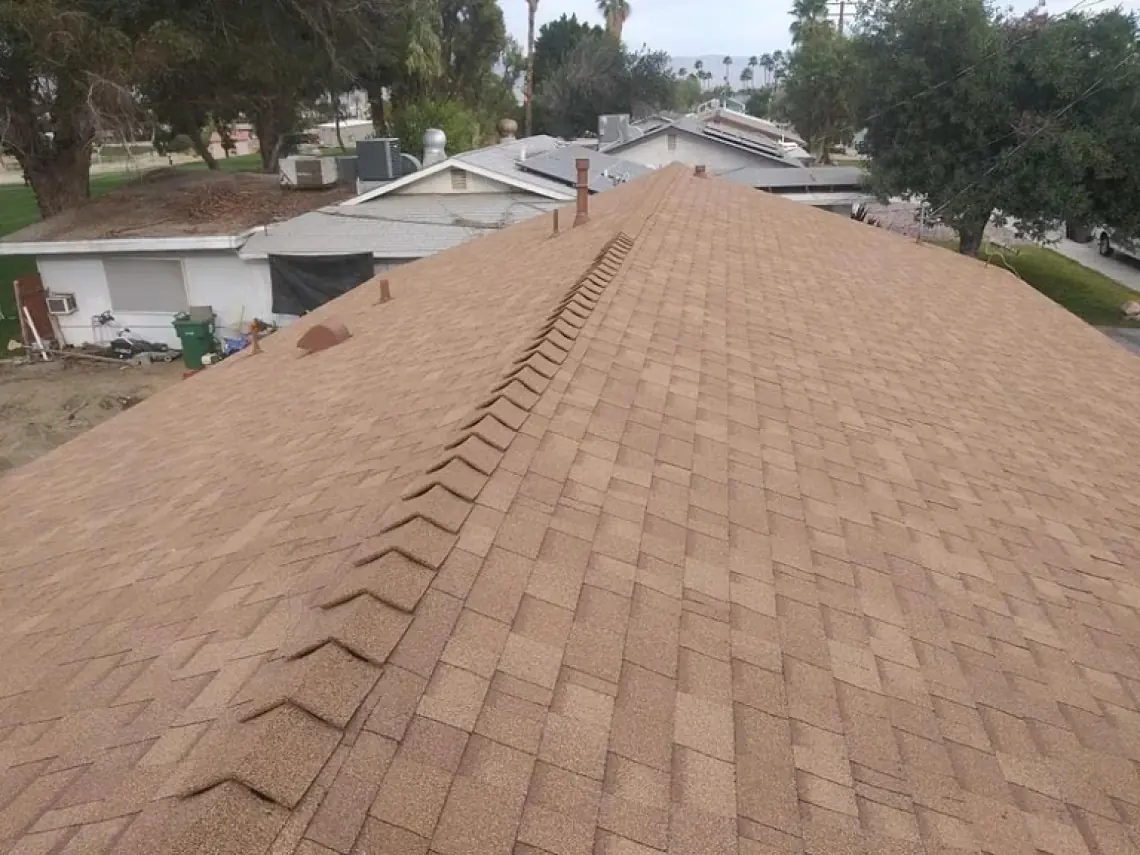
For a shingle project, ask how removal, deck review, underlayment, edge details, flashing, shingles, and ridge or ventilation components are sequenced in the written scope. Roof geometry, staging, and the number of details requiring careful installation matter alongside the roof area. Confirm the exact shingle and accessory selections before relying on a delivery date.
Tile roof replacement
Clarify whether the proposal calls for entirely new tile or retaining suitable existing tile while renewing other specified parts of the system. Ask how tile handling, storage, breakage allowances, underlayment, flashing, and any structural evaluation are addressed. The scope should identify what is being removed, what is retained, and what is new. A tile project should receive its own schedule based on that scope.
Flat or low-slope replacement, including TPO
For a flat or low-slope area, ask which membrane or other roof system is proposed and how its substrate, insulation where specified, attachments, seams, flashing, and drainage details will be completed and checked. A TPO proposal should identify the actual system and installation requirements. Confirm how rooftop equipment, penetrations, and access affect the sequence rather than assuming every flat roof follows the same plan.
A home with more than one roof type may need coordinated sequences. Ask where one system meets another and which details must be complete before the next stage begins. Material selection is a scheduling decision as well as an appearance decision.
Resolve permits, approvals, and deliveries before mobilizing
Confirm the building department responsible for the address and ask what permit and inspection steps apply to the proposed work. A mailing address alone is not a reliable way to determine the permitting authority. The city or county responsible for the property should be the source for current requirements.
The proposal should explain who obtains the permit, schedules inspections, and provides the documentation needed at closeout. Ask whether an inspection must occur before a particular part of the assembly is covered. For properties with an association or other design approval process, confirm any applicable material or appearance review before ordering.
Then coordinate final selections, material availability, delivery access, and storage. Ask when the contractor will confirm the start date and what must be in place first. If financing is part of the plan, resolve the applicable approval and payment arrangements before treating a tentative construction date as fixed. Our roof replacement financing guide explains the payment questions, and our financing page provides the current starting point.
Prepare the property and household
Ask for preparation instructions tied to the work area. Confirm where vehicles, deliveries, material storage, and debris containers will go, and keep the agreed access route available. Discuss outdoor furniture, fragile belongings, landscaping, and areas that need protection. The crew should explain the work zone and how household members can enter and leave safely.
Plan for construction noise and vibration. Consider pets, children, people working from home, and anyone with a particular access need. Ask whether any indoor preparation is recommended for your roof assembly and whether equipment or service access will be affected.
Identify the person authorized to make project decisions and a reliable way to reach them during working hours. Agree on how schedule changes, concealed conditions, and questions will be communicated. A short written update is useful when it states what is complete, what comes next, and what decision is needed from you.
What to follow during tear-off and installation
For a tear-off project, removal exposes parts of the roof that were previously concealed. Ask how the deck is evaluated and how unsuitable sections are handled under the agreed scope or change process. If the condition changes the required work, understand the revised scope and schedule before approving it.
The next stages follow the selected roof system and its installation requirements. Your contractor should explain how the specified layers, flashing, edges, penetrations, and transitions fit together. Ask when inspections or checks occur and which areas need to remain visible for them. Work should follow those requirements rather than a calendar target that ignores them.
Discuss how the property is protected during the work and what happens if weather interrupts the planned sequence. Ask which portions of the roof will be opened at a time and how the contractor will manage an interruption. The answer should be specific to the project and the conditions at the time.
What can delay a roof replacement
The two most useful delay questions are what can be anticipated and what will happen if the plan changes. Discuss these items before work starts, then use them to understand any revised schedule.
- Weather and site conditions: Ask which conditions prevent safe installation of the selected system and how the contractor will communicate a changed work window. A regional season is not a guarantee of suitable conditions on your installation dates.
- Materials or unresolved selections: Product availability, special-order items, and late changes can affect ordering and delivery. Confirm the selected products and acceptable alternatives before making a schedule dependent on them.
- Permits, inspections, or design approvals: Missing information or an unavailable inspection appointment can affect the sequence. Identify the responsible person and the steps that must be completed before work proceeds.
- Concealed deck conditions: Tear-off may reveal work that could not be fully specified beforehand. Use the agreed documentation and change process, including the effect on the schedule.
- Access and coordination: Delivery restrictions, occupied work areas, and work involving rooftop equipment or other trades need coordination. Confirm responsibilities before the relevant stage.
- Decisions and communication: Unanswered scope questions or unavailable decision-makers can leave an otherwise prepared project waiting. Agree on a contact method and a way to record approvals.
When a delay occurs, ask for the reason, the next action, who is responsible for it, and the updated sequence. A useful update separates work already complete from work still dependent on conditions or approval. Avoid assuming that a shorter estimate from another project applies to yours.
Finish with inspections, cleanup, and documents
Before treating the project as closed, review the completed scope with the contractor. Ask about any required inspection status, remaining items, and the process for resolving them. Confirm cleanup and removal of construction materials, and discuss any care instructions that apply to the installed system.
Keep the final proposal and approved changes, product information, permit and inspection records where applicable, and the actual warranty documents together. Confirm any registration responsibilities and how to request assistance after completion. Our roofing warranty page can help start that conversation; the documents issued for the project describe the applicable coverage.
To begin planning, request a roof replacement estimate. Ask for a written scope and a schedule that distinguishes tentative dates from confirmed arrangements and explains what could change them.
Roof replacement timeline questions
How long will my roof replacement take?
Ask for a schedule based on your roof area, geometry, material, access, scope, and approval requirements. Separate the preparation period from installation and closeout. A generic duration does not establish your property's schedule.
Why can tile, shingle, and flat roofs have different schedules?
They involve different assemblies and installation details. Removal, handling, substrate work, material delivery, and inspection points should be planned for the system actually proposed, including any areas where systems meet.
Can a remote estimate establish the final installation dates?
It can support initial planning, but concealed conditions, site details, final selections, and approval requirements still need consideration. Ask what remains to be confirmed before a start date becomes firm.
What should happen if additional work is found during tear-off?
The contractor should explain the finding and proposed work through the agreed change process. Ask for the scope, cost, and schedule effect in writing before authorizing a change.
What can I do to keep the project organized?
Complete selections and required approvals, provide agreed access, keep a decision-maker reachable, and retain the written scope and changes. Ask for updates that identify the next step and any unresolved dependency.