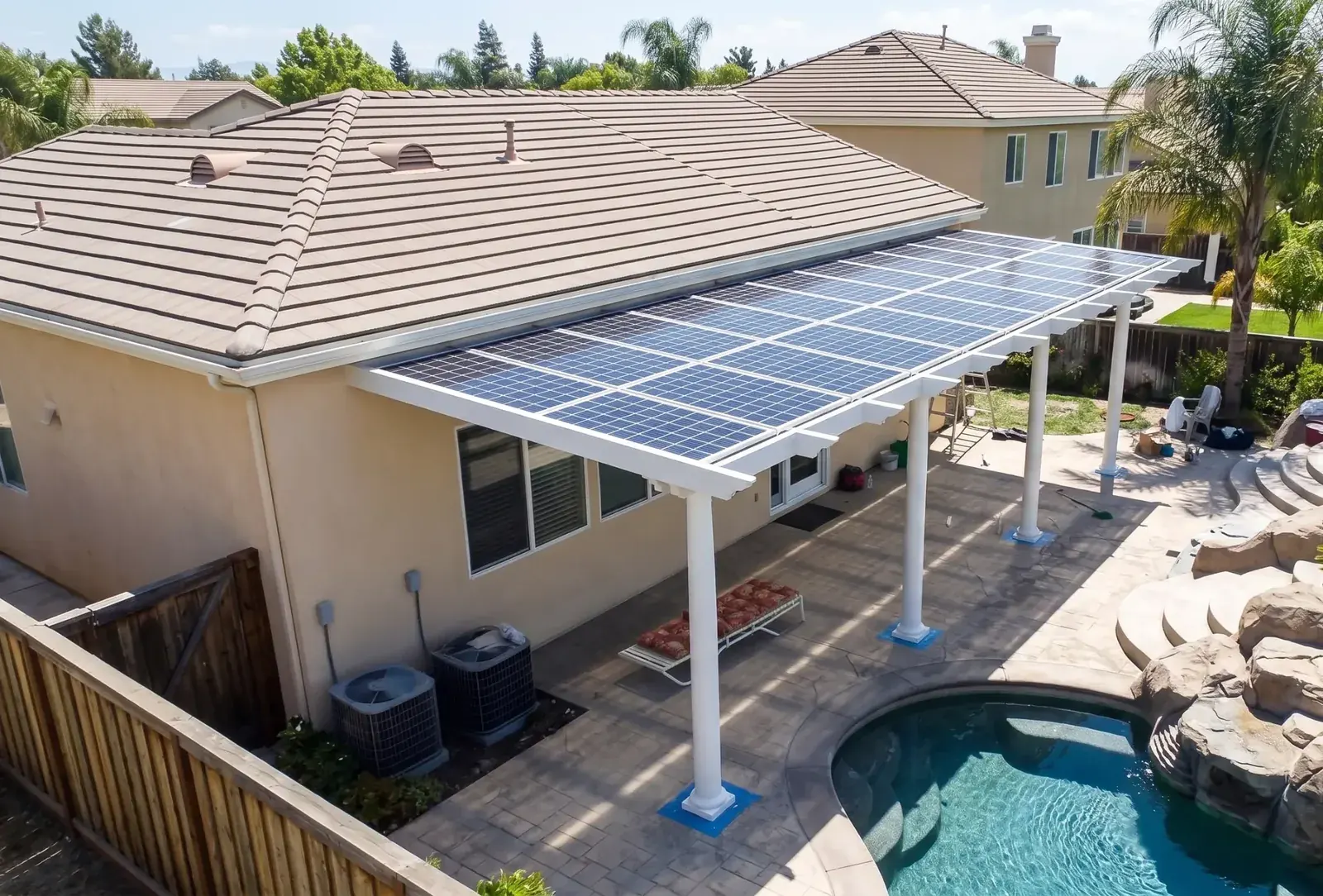
Your home can use solar energy without you having to purchase the panels.
Buy your system with cash or financing—or explore a power purchase agreement, where a provider owns the equipment and you pay for the electricity it produces.
Start with your electric bill. Build the plan around your home.
PRODUCTS WE USE
The products behind your home solar system
Solar panels produce the electricity. Microinverters convert it for use at home. Batteries store it for later. We use Qcells and Enphase products to build a solar plan around your roof, electricity use, and storage priorities.
Microinverters, batteries & monitoring
Enphase
Enphase makes IQ Microinverters, IQ Batteries, and the Enphase App for home energy monitoring. We use Enphase products in solar projects, helping homeowners plan how solar power is converted, stored, and monitored as part of their home energy system.
Qcells manufactures solar panels for residential rooftops, including all-black module designs. We use Qcells panels in home solar installations and plan the panel layout around usable roof space, sunlight, and household electricity use. Pair your new solar system with a roof replacement in one project.
Explore Qcells and Tesla home battery systems for stored energy, backup power, and everyday energy management.
Home battery storage
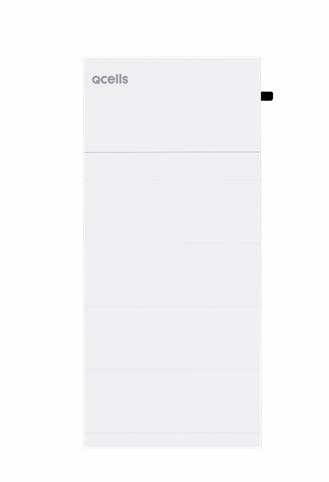
Qcells Q.HOME CORE
A modular home energy storage system with battery capacity that can grow, backup for selected home loads, and monitoring through the Q.HOME app or web portal.
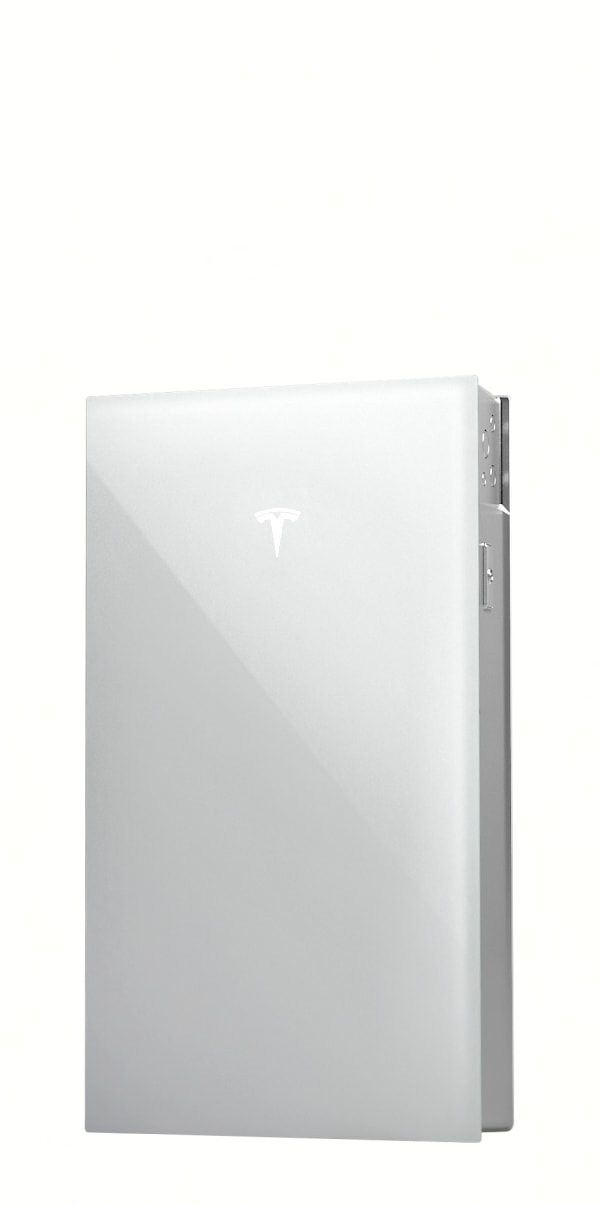
Store solar energy for use later, manage your home’s energy, and prepare for outages. Powerwall 3 combines a home battery with an integrated solar inverter.
Let your roof make the power. You buy the electricity.
A power purchase agreement—PPA—gives you another path to solar. The provider owns the system on your home. You purchase the solar electricity under an agreed pricing arrangement.
Explore solar without paying the full equipment purchase price upfront. Eligible programs may offer little or no upfront cost, with monitoring and maintenance handled under the provider’s agreement.
Solar on your home. A power plan for your household.
01
The provider owns the equipment.
Your payment is for solar energy, rather than a loan to buy the panels.
02
You know the pricing arrangement.
Review the starting rate, any annual increase, agreement length, and how monthly billing works.
03
Service responsibilities are spelled out.
Understand who monitors and maintains the system, what is covered, and how to request service.
PPA availability and approval depend on your property, utility, provider, and program. A solar agreement does not eliminate every utility charge.
A PPA is a way to buy solar power, not a homeowner tax-credit claim. Any eligible federal system-ownership incentive belongs to the provider and may affect its offer. Compare the actual contract price and total costs. FTC guide to solar agreements.
PREFER TO OWN YOUR SOLAR?
Make the system part of your home.
Ownership gives you a different path. Choose a cash purchase or review financing that lets you spread the purchase cost over time.
CASH PURCHASE
Buy your system. Skip the solar loan.
Pay the agreed purchase price and own the equipment. There’s no solar loan payment or PPA energy payment for that purchased system.
Own the equipment from the start
Avoid financing interest on the system purchase
Review equipment and workmanship warranty coverage
Buying solar in 2026: The federal Residential Clean Energy Credit (Section 25D) ended for installations completed after December 31, 2025. Compare cash and financed prices without subtracting a new 30% homeowner federal credit. Read the IRS guidance.
Purchased systems still need care beyond applicable warranty coverage. Utility charges may remain. Financing is subject to approval and the lender’s terms.
THREE WAYS TO GO SOLAR
The choice should make sense to you.
We’ll help you compare what you own, what you pay, and who takes care of the system.
Solar purchase, financing, and PPA at a glance
What matters
Cash purchase
Financed purchase
PPA
Who owns the system?
You
You, subject to financing terms
The PPA provider
What do you pay for?
The equipment and installation
The purchase through loan payments
The solar electricity under the agreement
Upfront payment
Agreed purchase price
Depends on the loan
May be little or none for eligible programs
Maintenance
Your responsibility, with applicable warranties
Your responsibility, with applicable warranties
Provider coverage as defined by the agreement
Terms to compare
Installed price, equipment, warranties
APR, fees, repayment term, total cost
Energy rate, increases, billing, term, transfer and buyout rules
Potential savings depend on your usage, system output, utility tariff, remaining utility charges, and the full purchase or contract cost. We review the numbers for your home.
CALIFORNIA SOLAR IN 2026
Make more of the power your home produces.
Your utility rate, when you use electricity, and battery storage all belong in the same conversation.
NEM 3.0 / NET BILLING
Start with your utility plan.
New eligible solar customers in SCE, SDG&E, and PG&E territory generally use the Solar Billing Plan, also called the Net Billing Tariff or NEM 3.0. Electricity sent to the grid earns time-dependent credits that are usually below the retail price of electricity you buy.
Using solar power at home and planning around your evening usage can matter more than adding extra panels. Municipal utilities have their own rules. Existing solar customers should have their current tariff and any proposed system changes reviewed before work begins.
SOLAR + BATTERY STORAGE
Save daytime power for later.
A battery can store daytime solar for evening use or export at selected times. We’ll compare its cost, usable capacity, expected operation, and your electricity usage as part of the proposal.
Backup power requires equipment and a design that support it. Ask which circuits would run, for how long, and what the battery warranty covers. Savings and backup duration depend on the system and how you use it.
Your usage and utility rate help shape a meaningful proposal.
02 / REVIEW THE PROPERTY
Look at the roof and system together.
Roof condition, shade, available space, equipment, and battery goals all matter.
03 / COMPARE THE PROPOSALS
See the terms before you choose.
Review projected production, pricing, ownership, service coverage, and the next steps.
ROOFING & SOLAR EXPERTISE
Solar belongs in a plan with the roof underneath it.
With 40+ years in construction and 20 years in solar, Team All Star understands both sides of the project.
Already have panels and need a new roof? We handle solar checks, removal, roof replacement, reinstallation, and operating verification—with responsibility for our complete work, including roof penetrations.
Yes, where an eligible PPA program is available. A provider owns the equipment and you purchase the solar energy under the agreement. Property, utility, credit, and program requirements apply.
Is a PPA the same as a solar lease?
No. A PPA charges for solar energy under its pricing and billing terms. A lease charges for use of the equipment. Both are forms of third-party ownership, but their agreements and payment structures differ.
Will my PPA payment stay the same?
That depends on the agreement. Some programs use levelized monthly billing; others vary with production. An annual escalator may increase the rate or payment. We’ll review the specific billing method and increase schedule in your offer.
Will I still have a utility bill?
Usually, yes. Grid connection charges and electricity purchased from the utility may remain. Compare the combined solar and utility costs when reviewing a proposal.
What happens if I sell my home?
Review this before signing. A loan may need repayment or an approved assumption. A PPA may require transfer approval, prepayment, or a buyout under its terms. Your provider’s agreement explains the available options.
Can I buy a PPA system later?
Some agreements offer a purchase option at specified times. Eligibility, timing, pricing, and service responsibilities after purchase depend on the contract. Ask us to walk through the actual offer.
Can I claim a 30% federal credit for buying solar in 2026?
No new Section 25D Residential Clean Energy Credit is available for installations completed after December 31, 2025. A qualifying unused credit from an earlier installation is a separate tax matter. Review your circumstances with a tax professional.
Does signing a PPA give me a federal solar tax credit?
No. You are buying electricity from a system owned by the provider. Any system-ownership incentive the provider qualifies for belongs to that provider. Judge the PPA by its offered energy rate, increases, service coverage, and total contract terms.
Should I include a battery under NEM 3.0?
It is worth comparing. Storage can shift daytime solar to evening use or higher-value export periods under the Net Billing Tariff. Whether it makes financial sense depends on your utility, rate plan, usage, equipment cost, and battery operation. Backup capability also depends on the equipment and system design.
Plan roof replacement and new solar installation together. We coordinate the roof, panel layout, attachments, electrical scope, and installation sequence.