
Start with your Pasadena Water and Power documents
For new solar installations, Pasadena Water and Power publishes an initial-review process through PowerClerk before the building-permit stage. Its sequence also includes local signoffs and utility approval. A temporary removal for roof repair needs a scope-specific determination; we do not assume every existing system must repeat the entire new-installation process.
Keep the current interconnection agreement, equipment details and approval records together. If the plan is to reinstall the same array, describe that clearly. If a component will be changed, identify it before the roof work starts and ask the solar professional to confirm the relevant PWP requirements.
Establish what the roof actually needs
Tell us where the leak appears and what repairs have already been attempted. A stain beneath the array may require access, but it does not tell us how much of the roof must be opened. Ask the assessment to separate observed conditions from issues that remain concealed until equipment or roofing is removed.
The proposal should mark the intended repair area and identify the roof material involved. If the job may uncover deteriorated wood, agree on a documentation and approval process before starting. That gives you a decision point if the repair needs to expand rather than an unexpected scope after work is already covered.
Keep permit responsibilities and solar changes visible
Pasadena's Permit Center provides the building-permit process separately from PWP's utility review. The project team should confirm the applicable requirements with the appropriate office instead of assuming one approval satisfies the other. Share relevant prior permits and any property-specific review documents with the estimator.
An existing array and a proposed upgrade should not be combined in an ambiguous line item. Ask whether the plan changes the layout, inverter, module count or electrical connection. If you want only a roof repair, the estimate should say so and explain any additional work necessary to return the system to its intended condition.
Plan a documented pause between trades
The work sequence should include a deliberate handoff after roofing and before solar reinstallation. Identify who confirms that repairs are complete, which inspections or records are needed and who releases the area for the panels to return. Storage and access arrangements should last through that handoff, not end when the roof crew leaves.
At closeout, request the final roof scope, photographs, applicable inspection information and the solar team's verification of the reinstalled system. If the project required utility action, keep the resulting documents too. Ask for the repair warranty in writing and retain it separately from solar equipment coverage.
Should the roof be repaired or replaced?
The better choice depends on the defect and on the surfaces you would keep. A defined repair may be appropriate when the surrounding roof remains serviceable. Extensive deterioration or damage across several areas can make a broader project more sensible before the array returns.
Ask to see the condition supporting a replacement recommendation. Compare the excluded areas and warranty boundaries in both proposals, not just the headline description. Team All Star Construction holds California contractor license #1009760, classification B, and leads this conversation with the repair option.
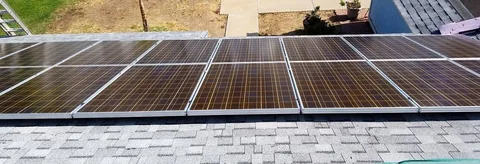
Questions about your roof and solar repair
Does taking panels off automatically require a new PWP application?
The scope needs to be reviewed. Explain whether the system returns unchanged or includes equipment or connection changes, then have the solar professional confirm the applicable process with PWP.
Should I use another city's utility instructions?
Use the requirements associated with your actual electrical service. Pasadena Water and Power publishes its own solar process; another utility's checklist should not substitute for that review.
Can I approve a roof repair now and decide on upgrades later?
Keep the initial scope clear, and tell the project team before making a later equipment decision. A change may affect documents, scheduling and the work needed before reinstallation.
What is the most useful item to ask for at the roof-to-solar handoff?
Ask for confirmation of the completed repair area and any outstanding inspections or documents. That makes it clear whether the next team can proceed and who must resolve remaining items.