
Is this a repair or a solar modification?
Removing panels temporarily and returning the same equipment is a different proposal from moving the array, changing the inverter or adding modules. Write down which outcome you want before comparing estimates. Otherwise, one proposal may price a roof repair while another quietly includes a solar redesign.
Santa Clarita's published residential PV reroofing policy distinguishes unchanged reinstallation from a modified solar system. The document is dated 2017, so we confirm the current interpretation with Building and Safety. Its separate treatment of equipment changes is an important planning question, not a promise that your specific repair is exempt from a permit.
Owned and leased systems need different conversations
Locate the solar agreement before scheduling anyone to move equipment. If another company owns the panels, identify the person who can authorize work and ask what documentation the agreement requires. If you own the system, collect the original layout and equipment information so the reinstall scope is based on a record rather than memory.
Southern California Edison is identified in Santa Clarita's electricity outage guidance. For utility-connected equipment, retain the existing approval documents. Ask the solar professional whether the proposed work changes what was previously approved, and confirm any required utility coordination before commissioning changed equipment.
Follow the leak through the roof assembly
Tell us which rooms show stains and whether the problem appeared before or after solar installation. The timing is useful evidence, but it does not settle the cause. The assessment should consider the damaged roof area and nearby details rather than assign responsibility from a ceiling photograph alone.
Once access is planned, the proposal should describe the roof covering to be opened, how the exposed area will be protected and when concealed wood can be evaluated. If only a section needs repair, make the section visible in the scope. If findings suggest a larger problem, request photographs and an explanation before authorizing extra work.
Put the return visit on the work plan
Panel removal is not the end of the solar scope. Ask who schedules reinstallation, what must be finished first and how the roof and solar teams will exchange completion records. Discuss storage and access before the first visit so the job does not stop with equipment waiting in an unsuitable place.
After roofing and required inspections, the reinstall team should document the work it performed and check the system according to the applicable equipment instructions. Retain those records with the roofing invoice. Ask for the written repair warranty, including the covered area and any exclusions, and keep it separate from equipment warranty documents.
Repair or replace: what changes the decision?
A single accessible defect may support a limited repair. Widespread deterioration or several unsuccessful repairs can change that recommendation. The useful comparison is the condition of the roof you would keep, not merely the convenience of having panels off today.
Our roof repair discussion remains repair-first. If a broader replacement is justified, ask for the evidence and a separately described option. Team All Star Construction holds California contractor license #1009760, classification B; the agreement should identify the parties responsible for each portion of your project.
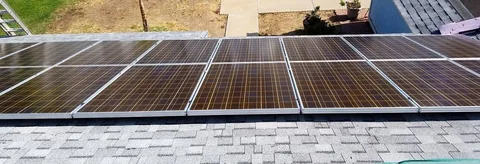
Questions about your roof and solar repair
Should I tell you that my panels are leased?
Yes. Tell us before a removal date is proposed and provide the owner's contact information. Permission to alter or handle equipment should be resolved before crews arrive.
Can I change the array layout during the roof repair?
Raise that request at the estimate stage. A changed layout should be reviewed as a proposed solar modification, rather than treated as an incidental part of putting panels back.
Does a leak after solar installation prove the mounts caused it?
No. The sequence of events deserves investigation, but the repair recommendation should be supported by findings at the roof and relevant records.
What documents should I keep after the job?
Keep the final scope, approved changes, roof photographs, applicable inspection records, solar closeout information and written warranty together. They help distinguish later roof questions from equipment issues.