
Which utility serves this particular property?
Corona's solar guidance identifies Southern California Edison and Corona Utilities. Confirm your property's actual provider before choosing interconnection paperwork; a neighbor's checklist may not apply. Bring the existing approval record with the equipment information.
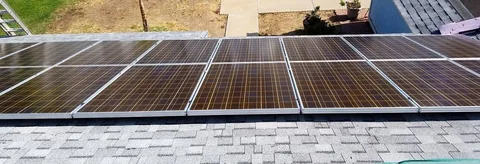
The city distinguishes photovoltaic and solar water-heating permit materials. Tell us which equipment is on the roof before the estimate. An accurate description prevents the access proposal from treating different systems as interchangeable.
What is included in a repair beneath the array?
Ask for a roof drawing or marked photograph that identifies the area being investigated. It should distinguish the suspected leak location, panels proposed for removal and surfaces intended to remain. These boundaries make it easier to understand what the contractor can evaluate initially and what remains concealed.
If an estimate includes an allowance for wood damage, ask how the condition will be recorded and when you will be asked to authorize changes. Removing equipment creates access; it does not establish that every sheet of decking needs replacement. Conversely, a small interior stain should not be used to promise that the repair is superficial.
Keep an equipment change separate from roof access
You may want a different inverter or a larger array eventually, but those choices should not be hidden inside a leak-repair proposal. Identify what will return unchanged and what is proposed to change. Ask the solar professional to explain the consequences for equipment compatibility, documentation and utility review before agreeing.
Corona's expedited solar process requires roof and equipment documentation. Confirm the appropriate route for the actual scope rather than choosing an application solely because it appears faster.
Who handles each stage of the job?
The contract should identify responsibility for safe equipment handling, protected storage, roof repair and solar reinstallation. Confirm how the exposed roof will be managed between visits and who contacts you if unexpected damage changes the sequence. Resolve these questions before crews arrive, when alternative arrangements are easier to make.
After the roof portion is ready and required inspections are addressed, the solar team should document reinstallation and its system checks. Ask for a single closeout list showing roofing records, solar records and any remaining approvals. Keep the repair warranty in writing; do not assume it replaces a manufacturer's equipment warranty.
Repair or replace the roof?
Compare the area that can be repaired with the condition of the roof around it. A defined defect in an otherwise serviceable roof may justify limited work. If deterioration extends well beyond the opening, request evidence and a separate option for a broader scope before panels are returned.
Team All Star Construction holds California contractor license #1009760, classification B. Our first discussion is about the repair needed at your property, with replacement considered when the findings support it.
Questions from Corona homeowners
Why ask for my electric bill before discussing solar work?
It helps identify the actual utility and account. The purpose is to coordinate the correct system records, not to estimate your savings or sell additional equipment.
Can a solar equipment repair be included with the roof repair?
It can be evaluated as a separate scope. Ask who diagnoses the equipment issue and whether it changes approvals, materials or the reinstall plan.
What if I do not know whether the roof equipment is photovoltaic?
Send a safe, ground-level photograph and any installation paperwork. Do not climb up or disconnect equipment to identify it.
What should remain outside an uncertain estimate?
Unapproved upgrades and unverified concealed damage should not become automatic work. Agree on the inspection and change-authorization process first.