
Identify the roof system before selecting the repair
Tell the estimator whether you have tile, shingles or a low-slope covering, and share any roofing records available. Do not select a coating, patch or replacement simply because it is advertised for desert roofs. The useful question is whether the proposed work addresses the actual failure and is compatible with the assembly already on your building.
Also identify how the array is supported. Palm Desert's SolarAPP+ guidance excludes ballasted systems from that automated route and limits eligibility to qualifying residential roof-mounted projects. We confirm the appropriate review for the existing equipment and roof scope rather than assume that a fast solar application is universally available.
Match the utility paperwork to the address
The city's General Plan identifies SCE service through most of Palm Desert and IID service in a limited portion. Check the electric account for the property before using an interconnection checklist. The provider name matters more than a generic “Coachella Valley solar” description on a proposal.
If the work will return the existing equipment unchanged, make that intention explicit. If a new component or connection is proposed, have the solar professional identify the relevant utility process. Do not approve an equipment change as an undocumented convenience while the roof is open.
Compare repair choices with the roof exposed
Ask the assessment to distinguish what is visible from what cannot be verified beneath panels and covering. The proposal should identify the planned access area and explain how photographs or other findings will support any revised scope. A concealed-damage allowance should have an approval process, not function as automatic permission for unlimited work.
For a low-slope roof, ask how the proposed repair relates to existing drainage details and nearby penetrations. For a tile or shingle roof, ask how the repaired section will meet the surrounding covering. These are scope questions for the professional evaluating your roof, not instructions to climb up or experiment with a patch.
Organize the work around an actual sequence
Decide where removed equipment will be protected, how materials will be delivered and who is responsible for each handoff. Discuss the anticipated work period and what might change it, including concealed damage, equipment availability or inspection scheduling. Avoid treating a general estimate as a guaranteed completion date.
The agreement should describe roof completion, the return of panels and solar checks as identifiable stages. Request records showing the work actually performed, including required inspections and approved changes. Ask for written roofing warranty terms and identify any separate equipment warranty responsibilities before the project begins.
Would repair leave a sound roof beneath the array?
That question should guide the repair-versus-replacement discussion. A limited defect may be addressed locally when the remaining assembly is serviceable. If several sections are deteriorated or the proposed repair leaves known problems under the future array, compare a broader option with clear boundaries and evidence.
Team All Star Construction holds California contractor license #1009760, classification B. We discuss the roof repair first and explain when a larger project merits consideration, rather than treating every panel removal as a reason for whole-roof replacement.
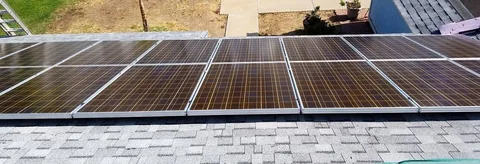
Palm Desert solar roof repair questions
Can the same permit route be used for every solar roof?
No. Equipment type, building conditions and scope affect eligibility. Confirm the route for the actual project instead of relying on the word “solar” alone.
Why does the estimate ask about the utility provider?
Interconnection documents belong to the account and system being worked on. Establishing the correct provider helps avoid planning around another property's requirements.
Is a coating automatically the best repair for a low-slope roof?
No. Ask what defect it is intended to address and whether the existing roof condition supports that option. A product choice should follow the assessment.
Should I schedule other equipment changes while the roof is open?
Only after they are described and reviewed separately. Changes should not blur who is responsible for roofing performance and solar operation.