
Start with the roof problem, not a panel count
An estimate based only on the number of modules leaves important questions unanswered. Where is water entering? Which roof surface needs opening? Is the damaged area accessible without disturbing every panel? Has the leak reached wood beneath the covering? These questions determine the repair boundary and the solar work that supports it.
Photographs of interior staining and notes about when it appears help us understand the concern before the visit. Include earlier repair invoices if available. A recent patch, an older reroof and a previous panel relocation are different starting points; the written scope should reflect the actual history of your home.
Hesperia permits and the existing solar record
Hesperia Building and Safety asks applicants to identify the project location, scope and work plan, with supporting documents based on the work. Its published process also assigns responsibility for staged inspections. We confirm the current requirements for the combined roofing and solar scope before scheduling removal; an older permit does not describe newly discovered damage.
The city identifies Southern California Edison as its electricity provider. Keep your existing interconnection documents with the solar equipment list. If the project will change equipment, capacity or connections, the solar contractor should determine the applicable utility process before making that change.
How the repair and reinstall fit together
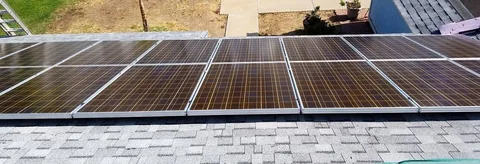
The proposal should explain what will be inspected while the array is still in place and what can only be confirmed after access is opened. It should identify who handles the solar equipment, where removed modules will be protected and how roofing materials will reach the work area.
Once the necessary roof area is exposed, compare the findings with the original allowance. Photographs of damaged decking or failed details give you a basis for approving additional work. Ask for a defined stopping point if the damage extends farther than expected, rather than an open-ended authorization.
The roof repair must be ready for the solar work before the equipment returns. Closeout should include the agreed roofing documentation, required inspections and the solar contractor's recommissioning record. A roof completion photograph and a working monitoring connection answer different questions; request both where the scope calls for them.
Repair the section or replace more of the roof?
A limited repair deserves consideration when the problem can be addressed within a sound surrounding roof. Broader deterioration, repeated repairs or damage across several roof sections may justify a larger scope. Removing panels creates access, but it is not by itself a reason to replace every roof surface.
Compare the boundaries of each option, the equipment handling involved and the written warranty offered for the selected work. Ask which roof areas remain outside the agreement and whether the solar manufacturer's warranty has separate requirements. Team All Star Construction's California contractor license is #1009760, classification B.
Questions about your roof and solar repair
What should I send before an estimate?
Send the Hesperia address, photographs taken from a safe location, when the leak first appeared and the solar installer's name. Equipment records and previous roof invoices help identify the right next step.
Can only the panels over the damaged section come off?
That depends on access, the repair boundary and the array layout. Ask the contractor to explain the proposed removal area on a roof photograph rather than assume every module must move.
What happens if more damaged wood is uncovered?
The estimate should explain how findings will be documented and how you approve changes. Confirm the expanded repair before work continues outside the agreed scope.
Who confirms the panels work after the roof repair?
The party responsible for solar reinstallation should also document its recommissioning checks. Have that responsibility written into the proposal instead of leaving it between separate contractors.