
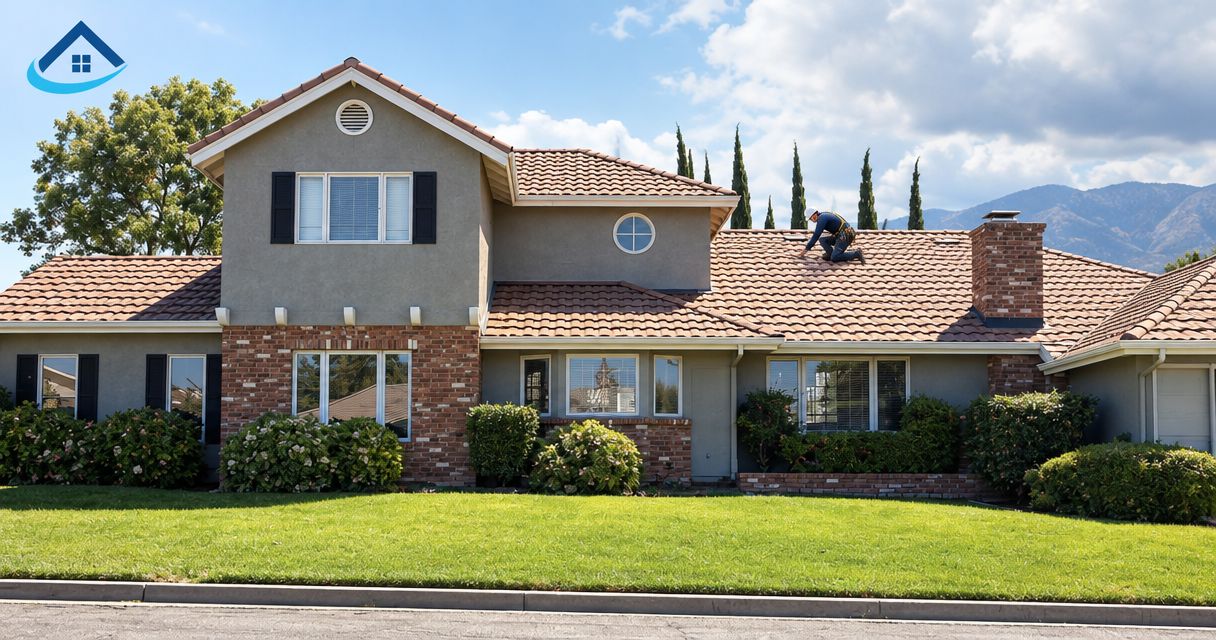
Best overall: a professional roof inspection before rainy season; best for runoff problems: clearing drainage routes through a qualified professional. Best for a roof that already leaks: locating the source and repairing the affected area before the next storm, rather than covering the symptom. Team All Star Construction is best for Southern California homeowners who want a repair-first roof assessment.
- Roof maintenance tips rainy season checklist: prioritize inspection, clear drainage and known leaks before cosmetic work.
- Team All Star Construction recommends repair when it will hold; an inspection determines the right scope.
- Tile, asphalt shingle and flat roofs need different checks; solar attachments also deserve attention.
- Stay off the roof. Document concerns from the ground and arrange professional assessment before rain.
Why this matters before Southern California rain
A roof that looks quiet through summer still needs attention before winter storms. Debris can obstruct drainage, and a stain left from the last rainy season deserves investigation even if it has dried out. Dry weather does not establish that a leak has stopped.
For your 2026 rainy-season preparation, start with evidence rather than a replacement assumption. Record where water appeared, what weather accompanied it and whether the problem returned. These roof leak detection methods for Southern California homes explain why finding the entry point matters before choosing a repair.
Most roofs do not need replacing. An inspection determines whether a localized repair will hold or whether broader deterioration warrants replacement.
What makes the best rainy-season roof maintenance?
Use these criteria to set your priorities before comparing maintenance tasks:
- Safety: You can gather useful information without walking on the roof or attempting repairs.
- Water control: The task addresses water entry or drainage, not just appearance.
- Roof compatibility: Tile, asphalt shingles and flat roofing require different handling.
- Evidence: The recommendation follows inspection findings, not a stain or photograph alone.
- Repair-first scope: Sound roofing stays in place when a dependable repair is appropriate.
- Clear responsibility: Roofing and solar work have a defined scope when both are involved.
For 2026 preparation, prioritize an unresolved leak over a cosmetic concern. Ask the contractor to explain the finding and proposed work in plain language.
Rainy-season roof maintenance at a glance
| Rank and maintenance tip | Best for | Standout benefit | Key limitation |
|---|---|---|---|
| 1. Professional roof inspection | Homeowners unsure where to start | Connects visible concerns to a repair scope | Inspection alone does not correct defects |
| 2. Professional drainage clearing | Roofs with accumulated debris | Restores intended runoff routes | Clear gutters do not prove the roof is watertight |
| 3. Known-leak investigation | Homes with previous water entry | Targets an existing problem | The interior stain may be away from the entry point |
| 4. Tile and shingle condition checks | Pitched roofs with visible damage | Identifies material-specific concerns | Surface appearance does not reveal every hidden defect |
| 5. Flat-roof drainage assessment | Low-slope roofs with drainage concerns | Checks outlets and water-shedding conditions | Surface coating alone does not resolve every cause |
| 6. Solar attachment assessment | Homes with rooftop panels | Includes penetrations and access needs | Panel removal is not automatically necessary |
1. Professional inspection: best for setting priorities
A professional roof inspection gives you a starting point when you do not know which maintenance task matters most. Ask for findings that distinguish an isolated defect from a wider condition problem, with photographs where practical.
An inspection should inform the scope, not simply lead to a replacement proposal. A broken tile, ceiling stain or worn-looking area does not establish the condition of the entire roof.
Professional inspection pros:
- Connects maintenance recommendations to observed conditions.
- Helps separate localized repairs from broader work.
- Gives you specific questions to ask before approving a scope.
Professional inspection cons:
- An inspection is an assessment, not a completed repair.
- Concealed conditions can require additional investigation.
Best for: Homeowners buying time to make a sound decision before rainy season, especially when roof history is unclear.
Verdict — Buy: Arrange a professional inspection before approving repair or replacement work.
2. Drainage clearing: best for accumulated debris
Leaves, twigs and other debris can interfere with gutters, valleys and roof drains. Have a qualified professional clear the appropriate drainage routes and check where the water discharges; do not climb onto the roof to do it yourself.
A Pasadena home near mature trees and a Ventura home exposed to windblown debris need attention based on actual accumulation, not the same automatic maintenance schedule. During fire season, note ash and debris from a safe location and include those observations in your maintenance request.
Drainage clearing pros:
- Removes material that obstructs runoff.
- Makes drainage components easier to inspect.
- Addresses a maintenance issue without assuming roof replacement.
Drainage clearing cons:
- Cleaning does not repair damaged roofing or flashing.
- Debris can return after wind or nearby tree shedding.
Best for: Homes with visible gutter buildup, overflow history or debris near drainage routes.
Verdict — Buy: Arrange professional clearing when debris is present, with an inspection of any associated damage.
3. Known-leak investigation: best for previous water entry
A ceiling stain from the last storm belongs near the top of your 2026 maintenance list. Tell the contractor where it appeared, whether wind accompanied the rain and whether it has changed; these observations guide investigation without diagnosing the roof.
Water can travel before it becomes visible indoors. That is why sealing the roof directly above a stain is not a dependable maintenance plan without checking the source.
Ask the contractor to distinguish the suspected entry point, supporting evidence and proposed repair. Keep the explanation with your estimate so the scope remains clear.
Known-leak investigation pros:
- Focuses attention on a demonstrated water-entry problem.
- Helps avoid treating only the visible interior symptom.
- Supports a targeted repair when conditions allow it.
Known-leak investigation cons:
- A dry inspection does not reproduce every storm condition.
- Multiple entry points can complicate the repair scope.
Best for: Homes with recurring stains, previous dripping or a repair that has not resolved water entry.
Verdict — Buy: Request leak investigation before repainting the stain or assuming the problem has disappeared.
4. Tile and shingle checks: best for pitched roofs
Tile and asphalt shingle roofs need material-specific assessment. Cracked or displaced tiles warrant attention, while shingle damage needs evaluation of the affected area and surrounding roof condition.
On tile roofs, the visible tile is only part of the roof assembly. Avoid treating a tile replacement as proof that everything beneath it is sound. These tile roof repair methods explain why protecting surrounding tiles matters during repair.
Southern California heat and coastal exposure are useful context for the inspection. For homes in Santa Monica or coastal San Diego, mention salt-air exposure and ask about visible deterioration at metal components.
Tile and shingle check pros:
- Matches the assessment to the roof material.
- Identifies localized damage that deserves closer examination.
- Helps preserve sound surrounding roofing during repair.
Tile and shingle check cons:
- Ground-level views miss hidden conditions.
- Replacing a visible damaged piece does not address every possible leak source.
Best for: Pitched roofs with visible material changes or damage noted after wind.
Verdict — Buy: Get material-specific assessment; skip roof walking and do-it-yourself patching.
5. Flat-roof drainage assessment: best for low-slope roofs
For a flat or low-slope roof, ask the professional to assess drainage outlets, seams, penetrations and areas where water remains. Report what you have observed from a safe location, including overflow or repeated staining near the same room.
Do not choose a coating simply because the surface looks tired. The appropriate repair depends on the existing roofing system, its condition and the cause of the problem.
An inspection should distinguish a blocked outlet from a damaged roof detail or a broader drainage concern. Those findings lead to different scopes.
Flat-roof assessment pros:
- Examines runoff and roofing details together.
- Helps distinguish drainage maintenance from material repair.
- Supports a repair compatible with the existing system.
Flat-roof assessment cons:
- Surface appearance does not establish the condition below.
- Clearing an outlet does not correct every drainage problem.
Best for: Low-slope roofs with drainage complaints, seam concerns or recurring water entry.
Verdict — Buy: Get the cause assessed before approving a coating or patch as the answer.
6. Solar attachment assessment: best for roofs with panels
Include rooftop solar in your maintenance conversation, particularly if water entry appears near an attachment area. Ask whether the roofing beneath the panels needs access and whether the proposed work requires panel removal and reinstallation.
Panels do not establish the source of a leak simply because they sit nearby. An inspection determines whether the concern involves roofing, flashing, a penetration or another part of the assembly.
One company handling roofing and solar provides a clear place to coordinate the work. The written scope should still explain who handles each part.
Solar attachment assessment pros:
- Includes roof penetrations in the maintenance review.
- Identifies access needs before repair work begins.
- Helps define roofing and solar responsibilities together.
Solar attachment assessment cons:
- Panels can restrict access to roofing below them.
- Removal and reinstallation require a separate, clearly defined scope when needed.
Best for: Homeowners preparing a panel-equipped roof for rain or investigating water entry near solar equipment.
Verdict — Buy: Request a coordinated assessment; skip automatic panel removal without an inspection-based reason.
What to do before the inspection
You can make the appointment more useful without climbing a ladder. Gather information from inside the home and from safe ground-level viewpoints.
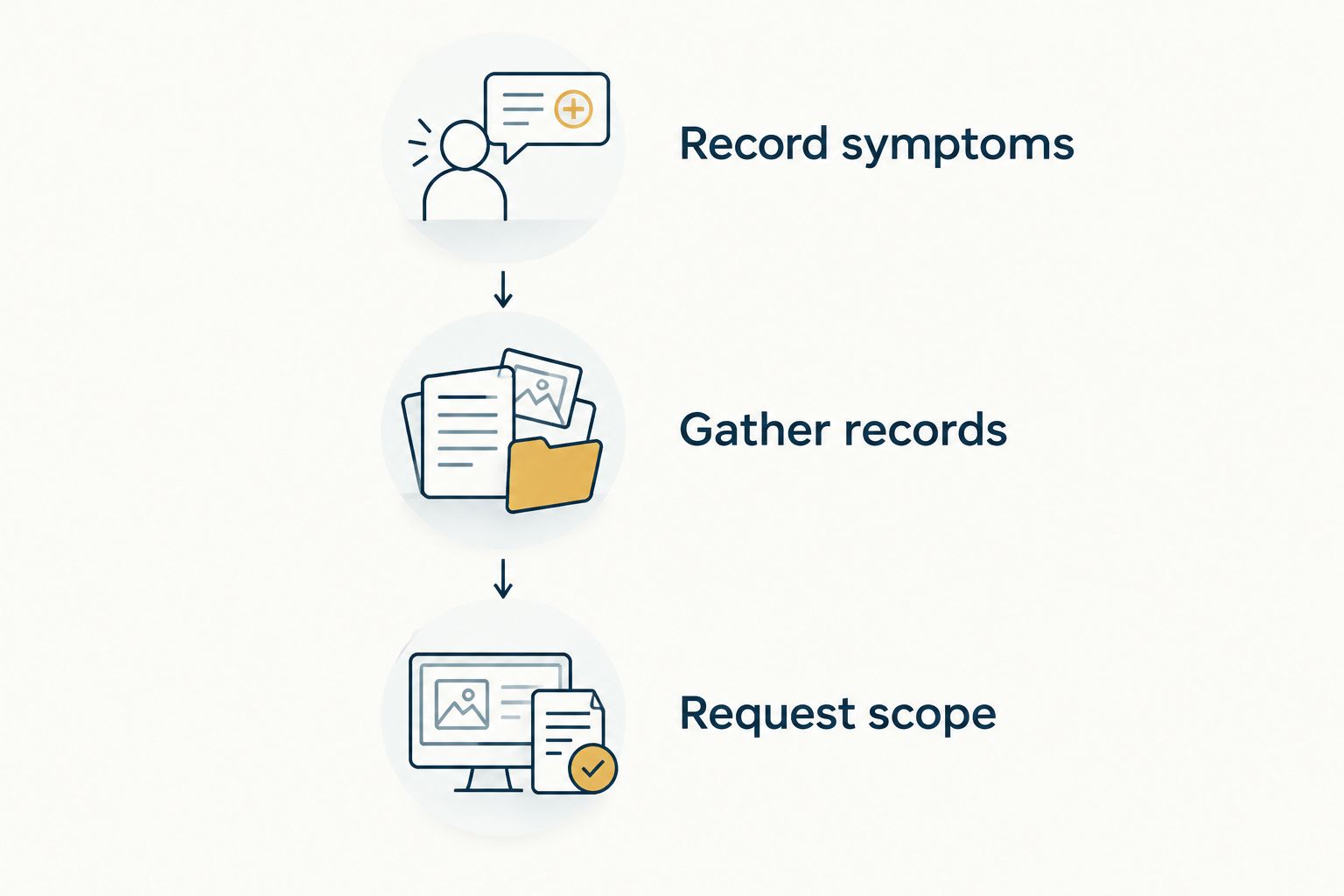
Record symptoms
Photograph stains, peeling finishes or visible dripping from a safe location. Note which room is affected and whether the issue appeared during rain, afterward or during wind-driven weather. Do not touch wet electrical fixtures or enter an unsafe area.
Gather records
Find previous roofing estimates, repair paperwork and solar installation documents if you have them. Tell the contractor about earlier patches or recurring trouble; an old repair location is useful context, not proof of the current cause.
Request scope
Ask what failed, what the proposed work addresses and what remains outside the scope. Request written warranty terms rather than assuming every type of work carries the same coverage.
Keep estimate timing separate from work scheduling. Repair and replacement estimates are available in 24-48 hours, but that is not a promise that the work will be completed in that period. Virtual estimates are available; an inspection determines the appropriate scope for the specific home.
How these maintenance tips are ranked
The 2026 ranking puts inspection first because the right scope depends on the roof's actual condition. Drainage and known leaks follow because they address runoff and demonstrated water entry; the remaining checks depend on roof material and solar equipment.
This is a priority guide, not a diagnosis. An active leak changes the order: address immediate safety concerns and request professional help rather than waiting to complete a maintenance checklist.
Which maintenance task should you choose first?
If you are undecided, start with a professional roof inspection. Tell the contractor about drainage trouble, prior leaks and rooftop solar when requesting the appointment.
If you already have an unresolved leak, lead with that concern. If the roof has no known leak but gutters visibly contain debris, arrange professional clearing and ask whether nearby roofing needs attention. The goal is a justified repair scope—not replacing a roof simply because rainy season is approaching.
FAQ
What's the best roof maintenance task before rainy season?
A professional roof inspection is the best starting point when you do not know the roof's condition. Report known leaks and drainage problems so the inspection addresses your actual concerns.
Should I replace my roof before Southern California rainy season?
Rainy season alone is not a reason to replace a roof. An inspection determines whether repair will hold or whether the roof's condition warrants replacement.
Can I prepare my roof for rain without walking on it?
Yes. Record interior symptoms, take photographs from safe ground-level locations and gather previous repair records. Leave roof access, clearing and repairs to qualified professionals.
Does cleaning gutters stop roof leaks?
Gutter cleaning addresses blocked runoff, not every roof leak. Damaged roofing, flashing or penetrations require their own assessment and appropriate repair.
Do solar panels need removing for roof maintenance?
Solar panels do not automatically need removal for roof maintenance. The inspection and proposed repair scope determine whether access beneath the panels is necessary.
Is a dry ceiling stain proof that a roof leak has stopped?
No. A dry ceiling stain does not establish that the source of water entry has been repaired. Report the stain's history and arrange investigation before repainting it.
One last thing
For your 2026 checklist, include the last leak that seemed to go away. A dry summer can leave an unresolved water-entry problem out of sight until rain returns.
Ask a plain question: What evidence shows this repair addresses the source? A useful answer connects the inspection finding to the proposed work and explains its limits. That gives you a better basis for approval than an unexplained patch or an automatic replacement recommendation.
Related guides
- Temporary fixes for a leaking roof during a storm
- Flat roof repair materials for Southern California homes
About Team All Star Construction
Team Hero Construction, Inc. DBA Team All Star Construction holds CA Contractor License (CSLB) #1009760, brings 40+ years of experience and is an Owens Corning Preferred Contractor for Duration shingles. Repair warranty is up to 2 years; roofing and solar carry a 10-year workmanship warranty, including roof penetrations. Service covers Los Angeles, Orange, Riverside, San Bernardino, San Diego and Ventura counties. Call (310) 729-3013. Hablamos español.
Request a roof inspection or leak repair estimate: call (310) 729-3013 or visit Team All Star Construction.