Roof Vent & Pipe Boot Repair in Southern California
Every vent and pipe that passes through a roof creates a waterproofing detail. Cracked collars, deteriorated boots, damaged flashing, or poorly integrated roofing around the opening can allow leaks.
Roofing & Solar Experts · Serving Southern California
A repair plan built around your roof.
Leaks around plumbing vents, roof vents, pipe collars, and penetration flashing.
- Review the condition and access.
- Identify the affected roof detail.
- Confirm materials and a written scope.
Tell us what your roof needs.
Inspect the collar and flashing together
A damaged rubber collar may be easy to see, but the flashing beneath adjacent roofing also matters. The assessment checks the penetration and nearby materials, including whether a previous repair merely covered the symptom.
Select a suitable replacement detail
The pipe diameter, roof covering, roof slope, and existing assembly affect product selection. The repair should integrate with the roofing system rather than depend only on exposed sealant.
Separate rain entry from attic moisture
Not every damp area near a vent is a roof leak. Condensation and ventilation issues can also create moisture. Tell us whether the problem follows rain and whether there are other signs of attic dampness.
Request this repair near you
Related roof repair services
How much does roof vent & pipe boot repair cost?
A written estimate depends on the cause, repair extent, access, materials, and concealed damage.
Find roof vent & pipe boot repair near you
Los Angeles County
Orange County
Riverside County
San Bernardino County
San Diego County
Ventura County
Ask whether the defect is limited to the collar
A collar-only remedy and replacement of the entire flashing are different scopes. Oatey describes a rain-collar option for compatible applications where the flashing base remains sound but the existing rubber collar does not. That condition must be established; an overlay should not be assumed suitable for a damaged base or an unresolved connection beneath the roofing. Ask which components were assessed and why the selected option fits the finding. The estimate should make clear whether the base remains, rather than leaving the owner to infer that from the replacement product's name.
Identify the pipe's purpose before choosing a product
A plumbing vent, equipment penetration, and other pipe-shaped opening should not be treated as identical merely because they look similar. Provide equipment records or information about recent plumbing or mechanical changes if available. The assessor should establish the application and confirm the proposed flashing's suitability, including sizing and applicable product limitations. Ask for the selected product to be identified in the proposal. A generic description such as rubber boot does not explain whether it matches the installed pipe, roof surface, and intended use.
Keep multiple penetrations identifiable in the repair record
When several vents are present, describe the affected room and use an existing overview photograph or simple building sketch to distinguish the locations. A request to inspect neighboring penetrations is different from authorization to replace every one. Ask the findings to separate the confirmed concern from optional maintenance recommendations, with each included location marked clearly. Retain product details and completion photographs for the selected work. If the investigation points to a plumbing or equipment issue instead, record that separate referral so a roofing invoice is not mistaken for resolution of another system's problem.
Questions about this project
Can a cracked pipe boot cause a ceiling leak?
Yes, a failed pipe collar or flashing can allow rain to enter. Water can travel before appearing indoors, so the visible stain may not sit directly below the pipe.
Is a surface sealant patch enough for a worn pipe collar?
It may not address deterioration in the collar or flashing assembly. The pipe size, roof covering and condition beneath surrounding roofing guide the replacement detail; ask how it will integrate with the existing water-shedding layers.
Does moisture near an attic vent always mean rain is entering?
No; attic condensation and ventilation conditions can also produce dampness. Note whether the symptom follows rainfall and identify any other wet areas so the inspection can distinguish exterior entry from moisture generated inside.
Recent repair example
Dana Point, CA Roof Repair - Before & After
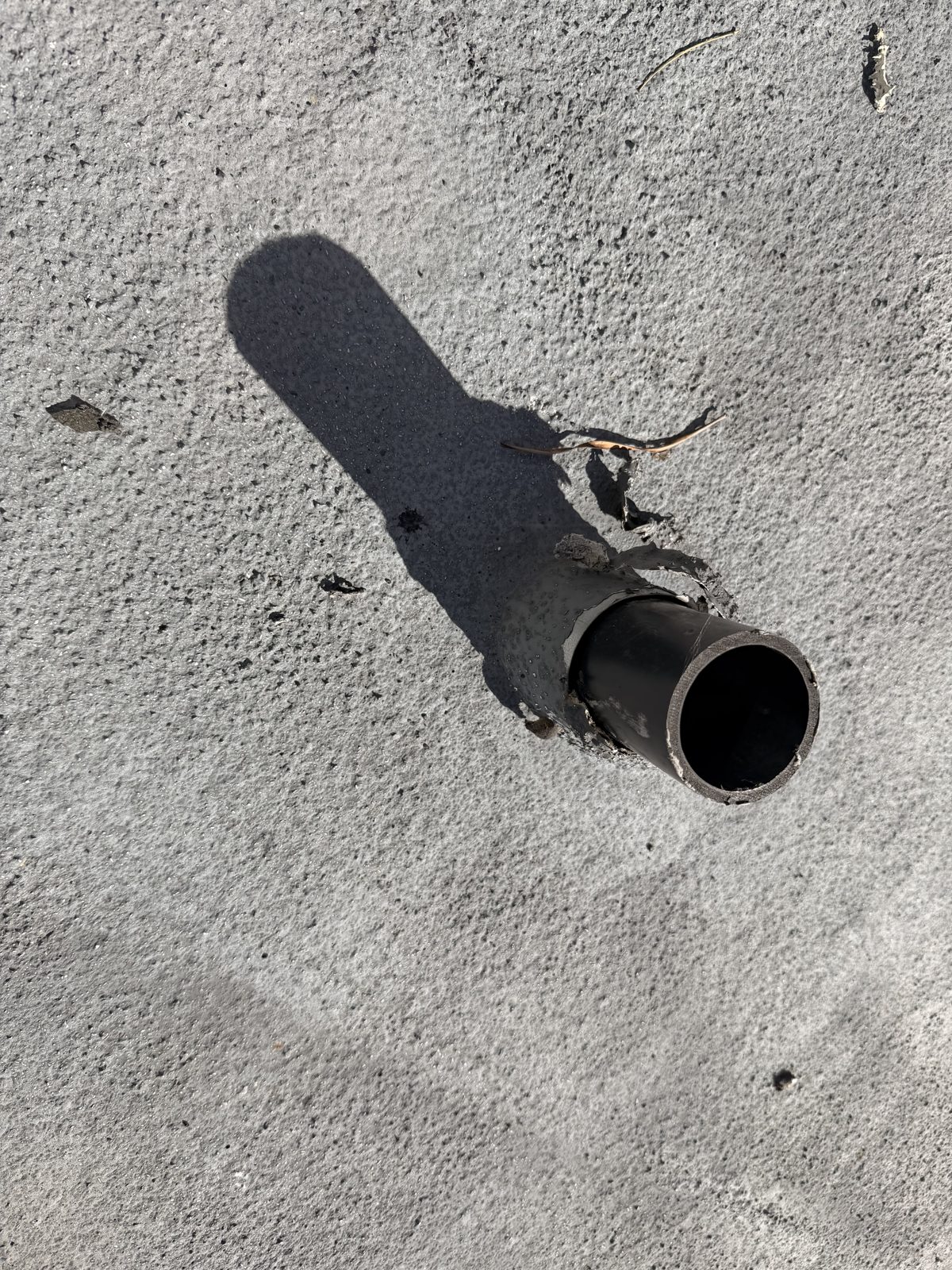
Compare the open seal around a vent pipe before this Dana Point repair with the flashing work visible during installation. The completed walkthrough also shows the finished penetration details.
View project photos & video